Summer is the one season when your schedule is actually yours. No school, no homework, just three months of earning potential. But the best summer jobs for high schoolers are not always the ones with a "Now Hiring" sign.
This guide covers 10 ways to earn real money this summer, what each pays, and how to lock in your income before summer even starts.
Why Summer Is Prime Earning Season
Three things collide in summer: you have unlimited availability, neighbors have maximum demand (lawns grow, families travel, kids are home), and everyone is outside. The students who earn the most treat June like a business launch, not a vacation that slowly gets boring.
10 Summer Jobs for High Schoolers
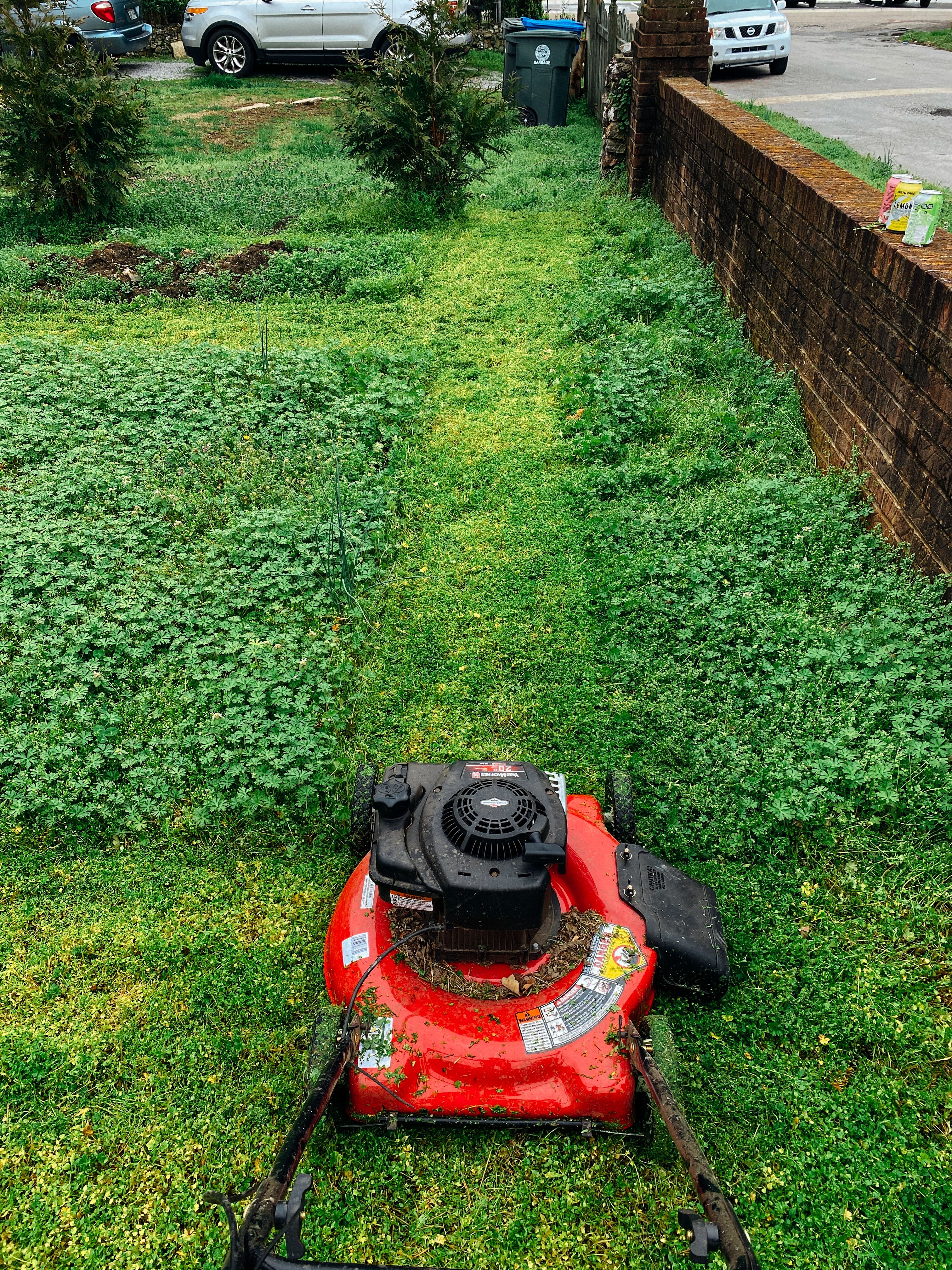
1. Weekly lawn mowing route
The king of summer income. Grass grows fast from June through August, and homeowners pay $30 to $60 per mow. Five weekly customers is $150 to $300 a week, every week, all summer. Ten customers doubles it. This is the single most reliable summer job a high schooler can build.
2. Pet sitting during vacation season
Summer is when everyone travels, and traveling families need someone to feed the pets. At $30 to $60 per day, a busy July of pet sitting can outearn any retail job. Holiday weekends like the Fourth of July are gold.
3. Dog walking
Vacation season helps here too, plus regular clients whose work schedules do not stop for summer. $15 to $25 per walk, and morning walks beat the heat.
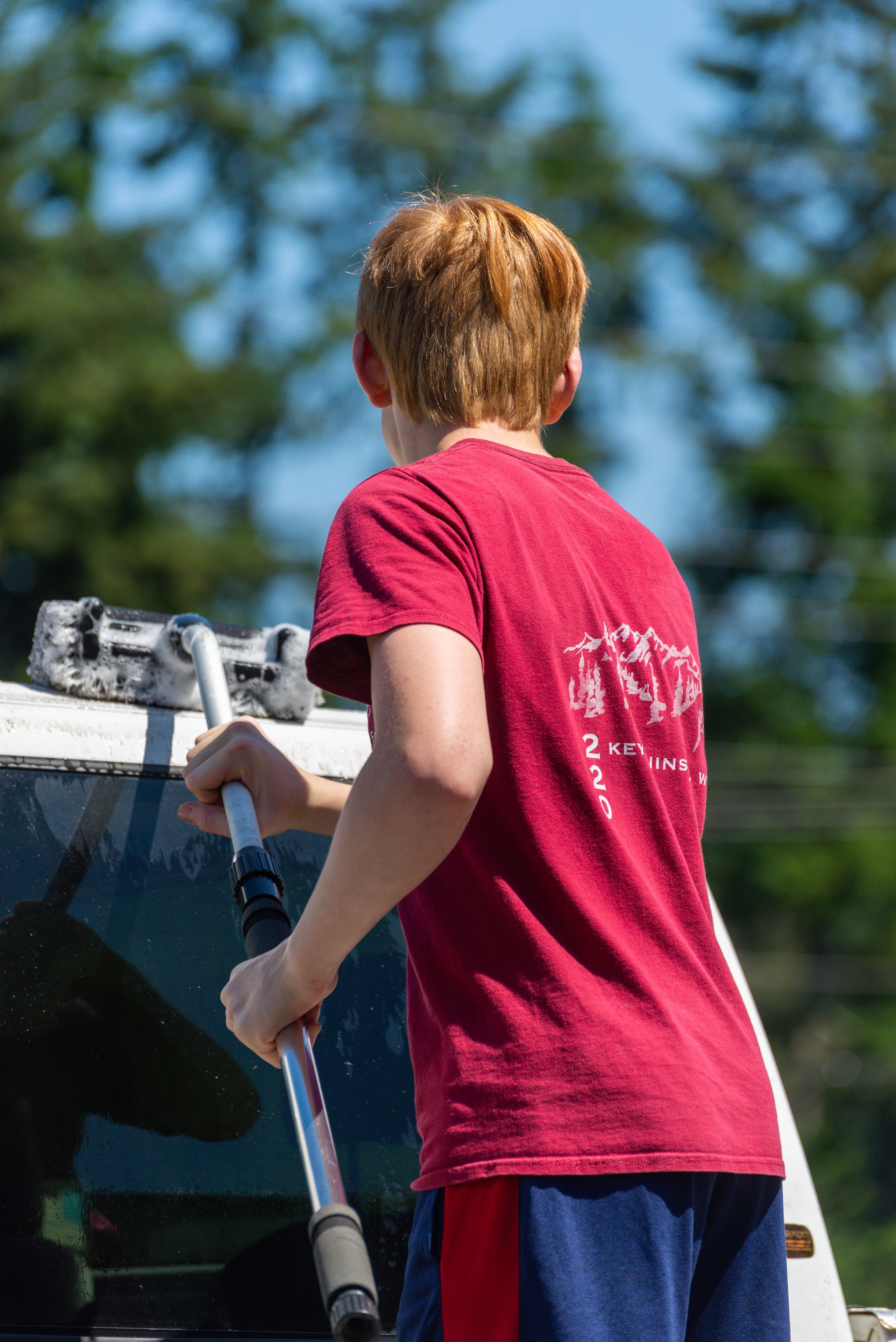
4. Car washing and detailing
Hot weather, dusty roads, and people hosting barbecues means dirty cars and motivated customers. $25 to $50 per car, and a Saturday morning of driveway washes can clear $100 to $200.
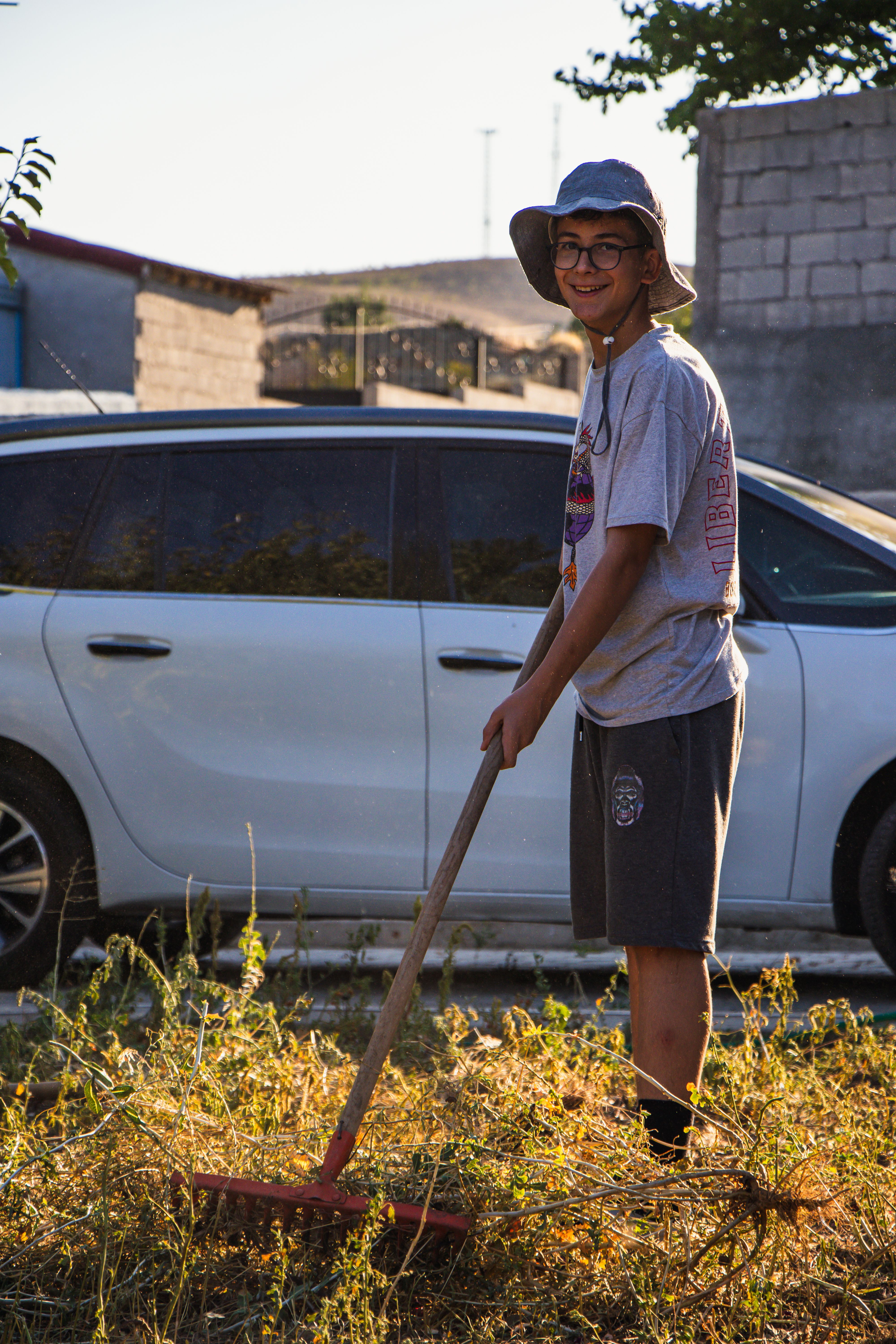
5. Garage and basement cleanouts
Summer is purge season. Families finally tackle the garage, and they need strong, willing help. Expect $20 to $30 per hour for hauling, organizing, and dump runs.
6. Moving help
Most moves happen between May and September. Carrying boxes and loading trucks pays $20 to $30 per hour, and moving days are long, so one job can be a full day's pay.
7. Tech help for seniors
Setting up new phones, fixing Wi-Fi, teaching video calls. $20 to $40 per visit, and summer means grandkids visiting, which means grandparents wanting to learn before they arrive.
8. Tutoring and summer bridge help
Parents worry about summer learning loss. If you are strong in a subject, $20 to $40 per hour helping younger students stay sharp is both good money and great on a college application.
9. Errands and grocery runs
$15 to $30 per trip for elderly neighbors and busy families. Stack a few regulars and it becomes a dependable weekly base.
10. Seasonal and event help
Helping at yard sales, setting up for graduation parties, watering gardens during vacations, house sitting with mail pickup at $20 to $40 per day. Small jobs, but they fill the gaps between bigger ones.
How to Lock In Your Summer Before School Ends
The students who earn the most do not wait for summer to start looking. Do this in May:
- Make your list. Pick two or three services from above that you can genuinely deliver.
- Set your prices. Use the ranges above, and price by the job for chores like mowing.
- Get visible. Create a free HelperWebs account so neighbors posting summer jobs in your city can find you, and tell everyone you know that you are booking summer work.
- Book recurring clients first. Weekly mowing and dog walking customers are the foundation. One off jobs fill in around them.
- Deliver early. Your first reviews in June decide how full your July is.
How Much Can You Make in a Summer?
The math is better than most students expect. Take a fairly average mix: two weekly mowing customers at $40 each, two dog walks a week at $20 each, and one car wash a weekend at $35. That is about $175 a week, or roughly $1,900 over an 11 week summer, working maybe 8 to 10 hours a week.
Push a little harder, four mowing customers, daily dog walks, plus a couple of one off jobs like garage cleanouts at $100 each, and $3,000 to $4,000 for the summer is realistic. That is more than many retail jobs pay, with a schedule you control and no manager putting you on the Saturday of your friend's birthday party.
The key is recurring customers. One off jobs are nice, but five families who book you every week are what turn a summer hustle into real money.
Do Not Forget to Actually Have a Summer
One warning: it is easy to get excited and book yourself solid. Remember that you have the rest of your life to work and only a handful of summers left as a teenager.
The sweet spot is 10 to 15 hours of work a week. That leaves mornings or evenings free, keeps your customers happy, and still builds a serious pile of savings by August. Neighborhood work makes this possible because you choose exactly which jobs to accept. A retail schedule chooses for you.