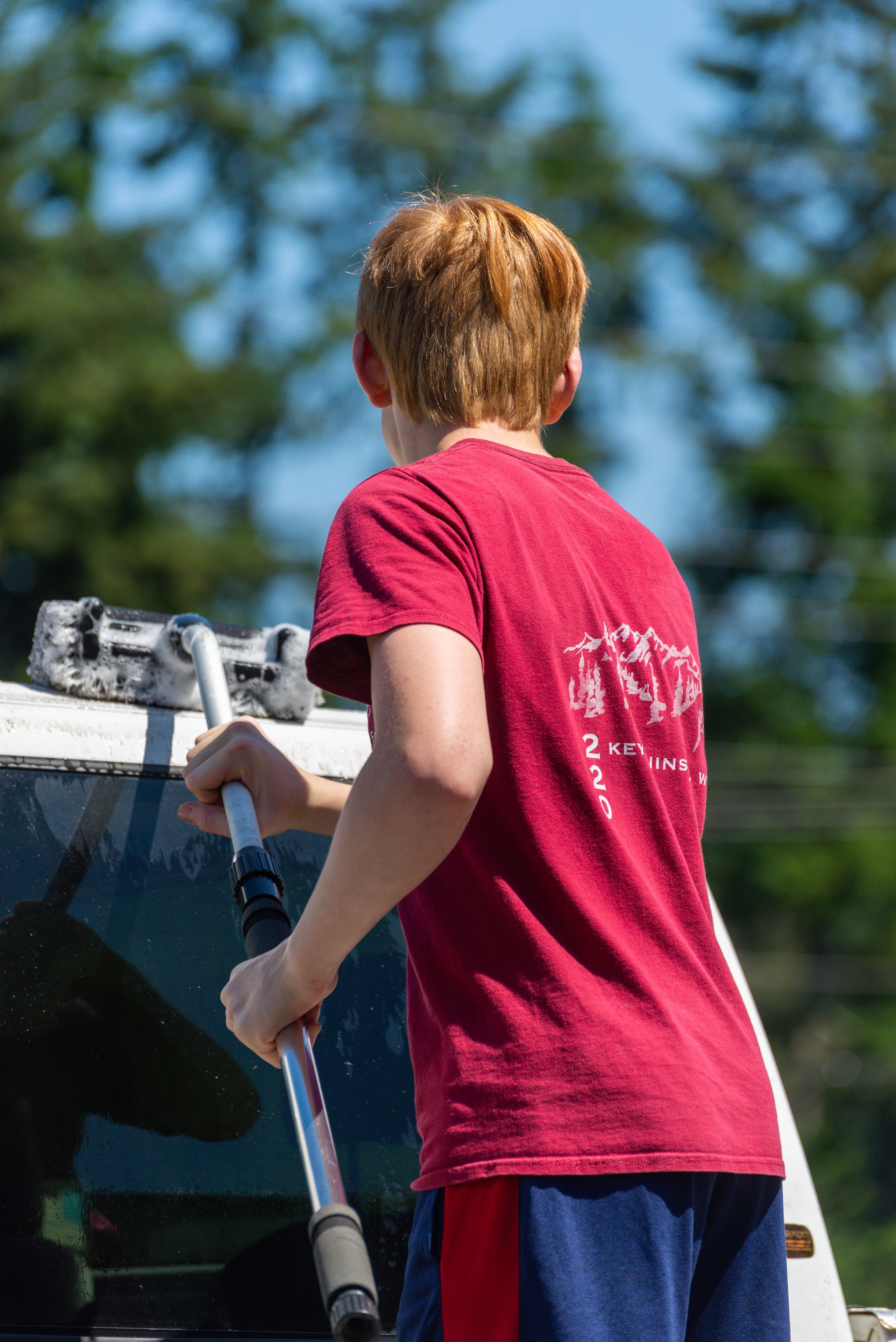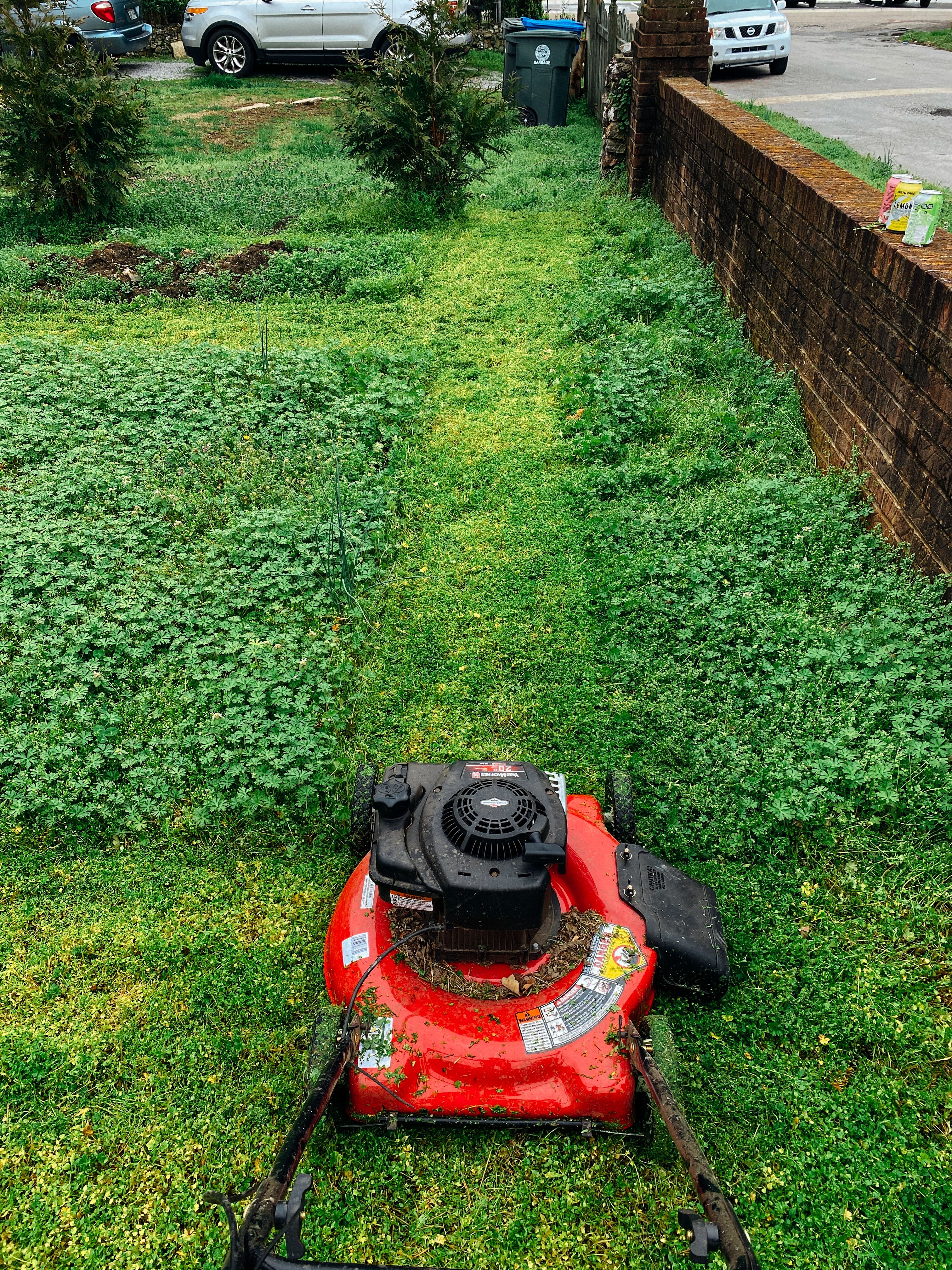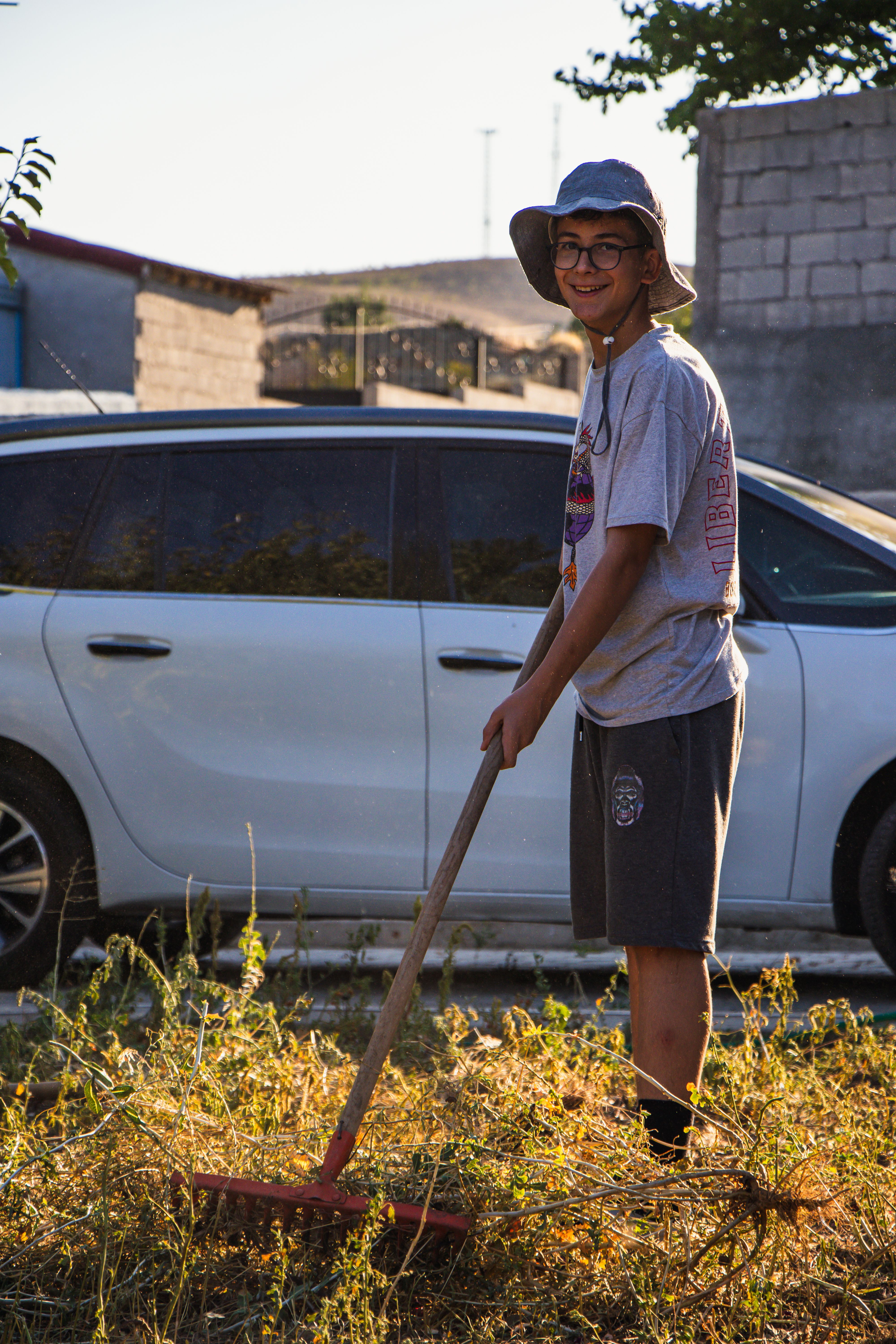
Nobody wants to spend their Saturday raking leaves, scrubbing a car, or wrestling with a router that won't connect. The good news: there are people in your neighborhood who are happy to do those chores for a fair price, and finding them online takes minutes once you know where to look.
This guide covers the best ways to find people for chores online, what each option costs, and how to avoid the scams and flakes that give online hiring a bad name.
What Counts as a "Chore" Gig?
Chore work sits in a sweet spot: too small for a professional company, too annoying to keep putting off. Typical examples:
- Lawn mowing, raking, weeding, and yard cleanups
- Dog walking and pet sitting
- Car washing and detailing
- Tech help, phone setup, Wi-Fi fixes, smart TV configuration
- Grocery runs, package pickups, and errands
- Light moving help, garage cleanouts, and furniture assembly
- Snow shoveling and seasonal work
Professional services often won't touch jobs this small (or charge minimums of $100+). Local individuals, especially students, will, and for a fraction of the price.
Your Main Options for Finding Chore Help Online
1. Hyperlocal chore marketplaces
These are platforms built specifically for small, local jobs. You post the chore, nearby workers apply, and the platform handles payment. The best ones show you profiles and reviews before you commit.
HelperWebs is the neighborhood-focused option: it connects you with local high school students for exactly these kinds of chores. Jobs are only shown within your city, every payment is held securely by Stripe until you confirm the work is done, and helpers under 18 confirm a parent knows they're on the platform, which makes it one of the safest ways to hire online, period.
2. Gig-economy apps
Task apps can find you someone for almost anything, but they come with trade-offs: workers may drive in from far away, service fees stack up on both sides, and the "local" part of local help gets lost. Fine for specialized tasks; overkill for a lawn mowing.
3. Neighborhood social apps
Nextdoor and local Facebook groups are full of people offering help. The problems: no payment protection, no review system, and your post is buried under lost-cat alerts within hours. Useful as a backup, not a system.
4. Classifieds sites
The old standby, and the riskiest. No profiles, no verification, no payment protection, and a well-earned reputation for scams and no-shows. If you use classifieds at all, never pay in advance and always meet in visible places.
How to Post a Chore That Gets Done Right
However you find your person, a good post makes everything smoother:
- Name the chore specifically. "Wash and vacuum my SUV this weekend, $40" outperforms "need car help" every time.
- Include the practical details. Yard size, whether you have equipment, gate codes, pet temperaments.
- State the pay upfront. Clear numbers attract serious people and repel hagglers.
- Give your city or neighborhood, not your address. Share the exact address only after you've chosen someone.
- Say when. "Every other Saturday" or "once, this week" sets expectations immediately.
What Should You Expect to Pay?
Ballpark local rates for common chores:
- Lawn mowing: $30 to $60 per visit
- Leaf raking / yard cleanup: $40 to $100 per job
- Dog walking: $15 to $25 per walk
- Pet sitting: $30 to $60 per day
- Car wash and interior: $25 to $50 per car
- Tech help visit: $20 to $40
- Errands: $15 to $30 per trip
If a professional company quotes you triple these numbers, that's normal, their overhead is real. Local individuals don't have it, which is exactly why chore marketplaces exist.
Safety Rules for Hiring Online
A few habits separate a great experience from a horror story:
- Use platforms with reviews and profiles whenever possible. A stranger with five glowing reviews isn't really a stranger.
- Never pay cash in advance. If you pay ahead, do it through a platform that holds the money until the work is confirmed complete, that's how HelperWebs handles every job, with Stripe holding the funds.
- Keep first jobs visible. Front yards, driveways, and doorsteps are the right venues for a first chore.
- Message through the platform. There's no reason to hand a stranger your personal number.
- Trust the red flags. Vague answers, pressure to pay off-platform, or prices that seem too good, walk away.
Why "Local Student" Is the Cheat Code for Chores
Here's something most homeowners figure out eventually: for everyday chores, local high schoolers are often the best workers you can hire. They're motivated (they're building reputations and saving for things that matter to them), they live close enough to show up reliably, they're comfortable with tech, and their rates are fair.
The only hard part used to be finding them. That's the entire reason HelperWebs exists, posting takes under two minutes, and your chore is visible to students in your city the moment it's live.