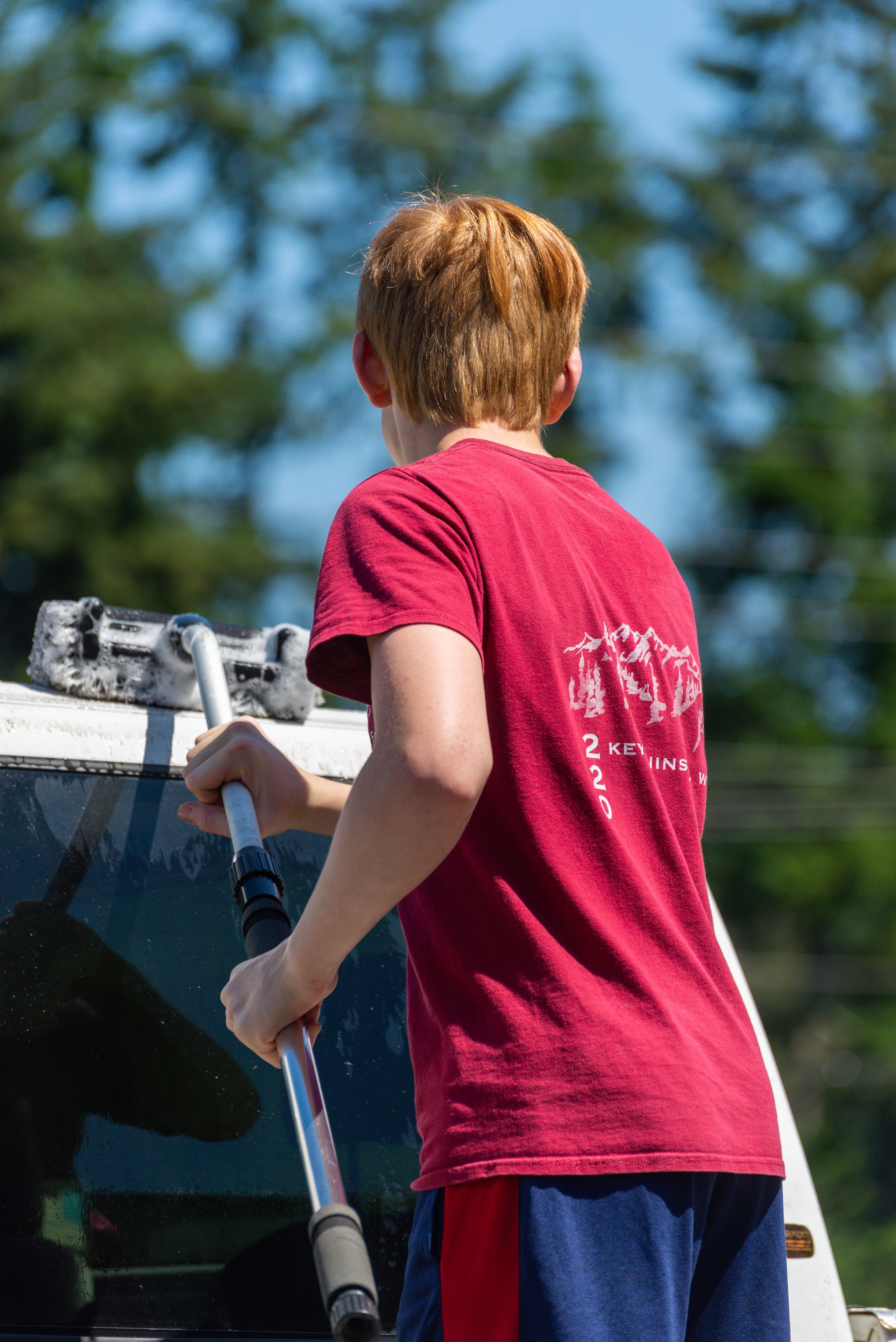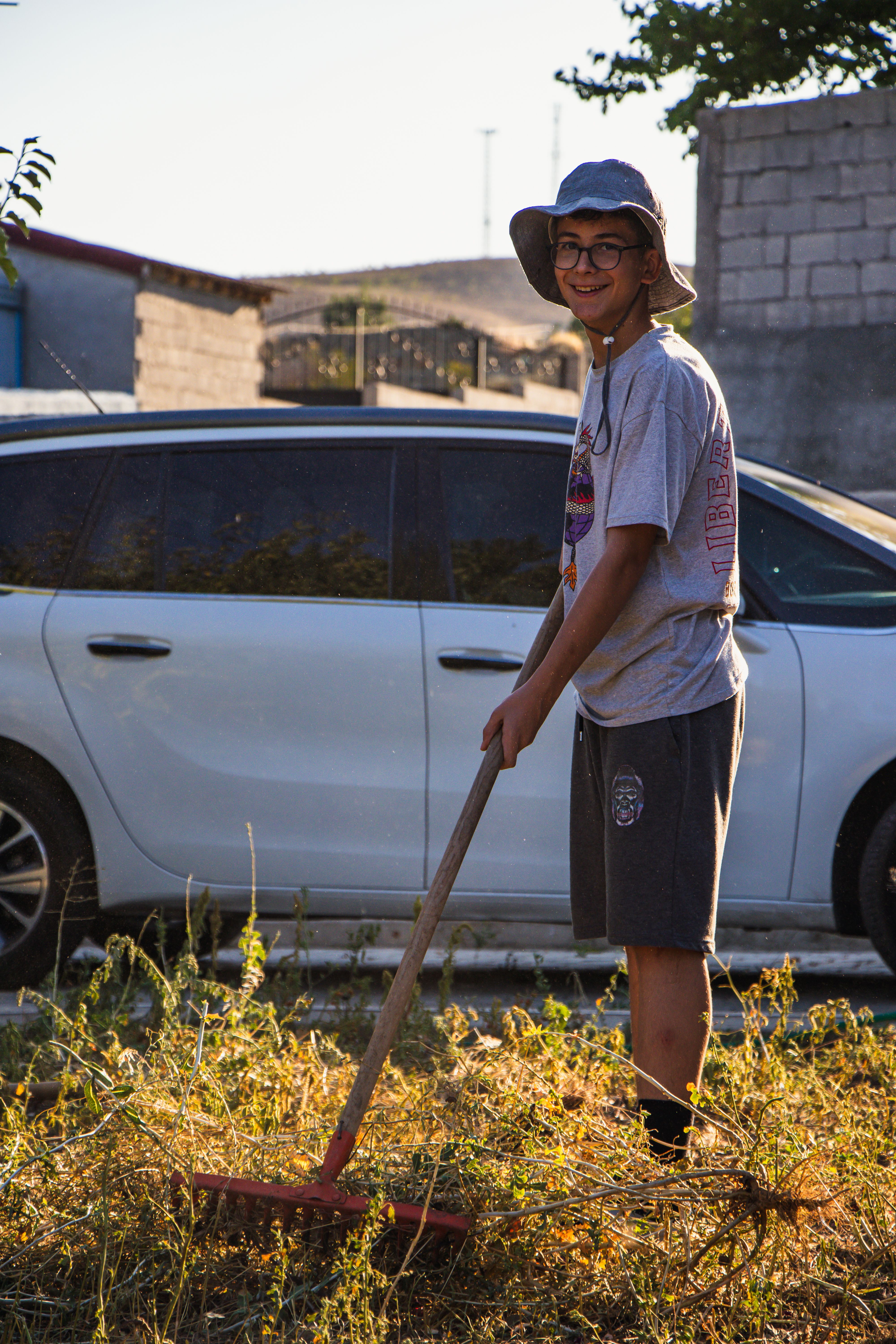
Here's a strange modern problem: we can video-call someone on the other side of the planet in seconds, but most of us couldn't name five people on our own street. So when you need help nearby, someone to mow the lawn, walk the dog, or lend a hand with a project, where do you even start?
Whether you're a homeowner looking for help or a student looking for work, this guide covers seven real ways to find people in your neighborhood.
Why Hyperlocal Beats Everything Else
Before the how, a quick word on the why. Finding people in your neighborhood, instead of across town or across the internet, comes with built-in advantages:
- Reliability. Someone three streets away shows up on time. Someone driving forty minutes cancels.
- Trust. Shared streets, shared schools, mutual neighbors, accountability is automatic when you'll see each other at the grocery store.
- Speed. Hyperlocal help can start today, not next week.
- Community. Money and favors exchanged between neighbors stay in the neighborhood and strengthen it.
7 Ways to Find People in Your Neighborhood
1. Use a hyperlocal marketplace
The most direct route. Hyperlocal platforms show you only people in your own city, no sifting through listings from strangers an hour away.
HelperWebs was built on exactly this idea: neighbors post chores and odd jobs, and local high school students apply. Every job is filtered by city, so the person who shows up genuinely lives nearby. For students, it's the reverse, a feed of paid work within your own neighborhood, no commute required.
2. Neighborhood apps and groups
Nextdoor, local Facebook groups, and community Discord or WhatsApp chats are essentially digital bulletin boards for your area. Introduce yourself, say what you're looking for (or offering), and you'll usually get responses within a day. The catch: no reviews, no payment protection, and posts fade fast, treat these as discovery tools, not hiring systems.
3. Schools
High schools are full of capable, motivated students looking for work, and schools often help connect them with it. Counselors, career centers, and parent groups can point you to students for tutoring, yard work, pet care, and tech help. Parents: this is also the safest channel for your own teen to find first jobs, since families are vouched for within the school community.
4. Community centers, libraries, and places of worship
These institutions have connected neighbors for decades, and they still work. Bulletin boards, newsletters, and community events are full of people offering and requesting help. Librarians and community coordinators are famously good at knowing "who does what" locally.
5. Local events
Farmers markets, block parties, garage sales, park cleanups, school fundraisers, every one of these is a room full of your neighbors. You don't need to network aggressively; just show up, mention what you're looking for, and let the neighborhood do its thing.
6. The analog classic: flyers and doorsteps
A simple flyer at the coffee shop, library, or grocery store board still pulls responses, especially from neighbors who aren't on apps. Students offering lawn care or dog walking: a friendly note to twenty houses on your street remains one of the highest-converting marketing strategies ever invented.
7. Your existing neighbors
The most overlooked option. Knock on the doors you already know, or text the neighbors you already wave at, and simply ask: "Do you know anyone who could help with ___?" One good referral from a trusted neighbor beats fifty anonymous internet replies.
For Students: Finding Work in Your Neighborhood
Flip the perspective and the same map applies. If you're a high schooler looking to earn:
- Start on HelperWebs, jobs in your city are posted by neighbors who already want to hire someone like you.
- Tell everyone you know. Parents' friends, teachers, coaches, your own neighbors. "I'm looking for weekend work" travels fast.
- Pick a lane. The students who earn the most specialize: the lawn kid, the dog walker, the tech-help person. A clear identity makes you easy to recommend.
- Collect reviews. Every completed job makes the next one easier to land, ratings on HelperWebs become your local reputation.
Safety First, Always
Finding people nearby is safer than finding them far away, but a few rules still apply, for both sides:
- Verify before you commit. Read profiles and reviews where they exist; message before agreeing to anything.
- Keep first meetings visible. Front yards, driveways, doorsteps, and public places.
- Students: tell a parent where you're going, every job, every time, and bring a friend to first-time jobs.
- Protect the payment. Cash after the job is fine between people who trust each other; for everyone else, use a platform that holds payment until the work is confirmed done (HelperWebs does this automatically through Stripe).
- Trust your gut. If something feels off, it probably is. Politely decline and move on.