Every job wants experience, but you cannot get experience without a job. It is the most frustrating loop in working life, and it hits teens hardest.
Here is the way out: your first paying work does not need to come from an employer at all. Thousands of teens skip the resume entirely and start earning through neighborhood work, where nobody asks for references and your reputation is built one job at a time. This guide shows you exactly how.
Why Nobody Asks for Experience in Neighborhood Work
A hiring manager needs proof you will show up and work hard, so they demand experience. A neighbor who needs their lawn mowed needs something simpler: someone reliable who does a good job for a fair price. That is a much lower bar, and you can clear it on day one.
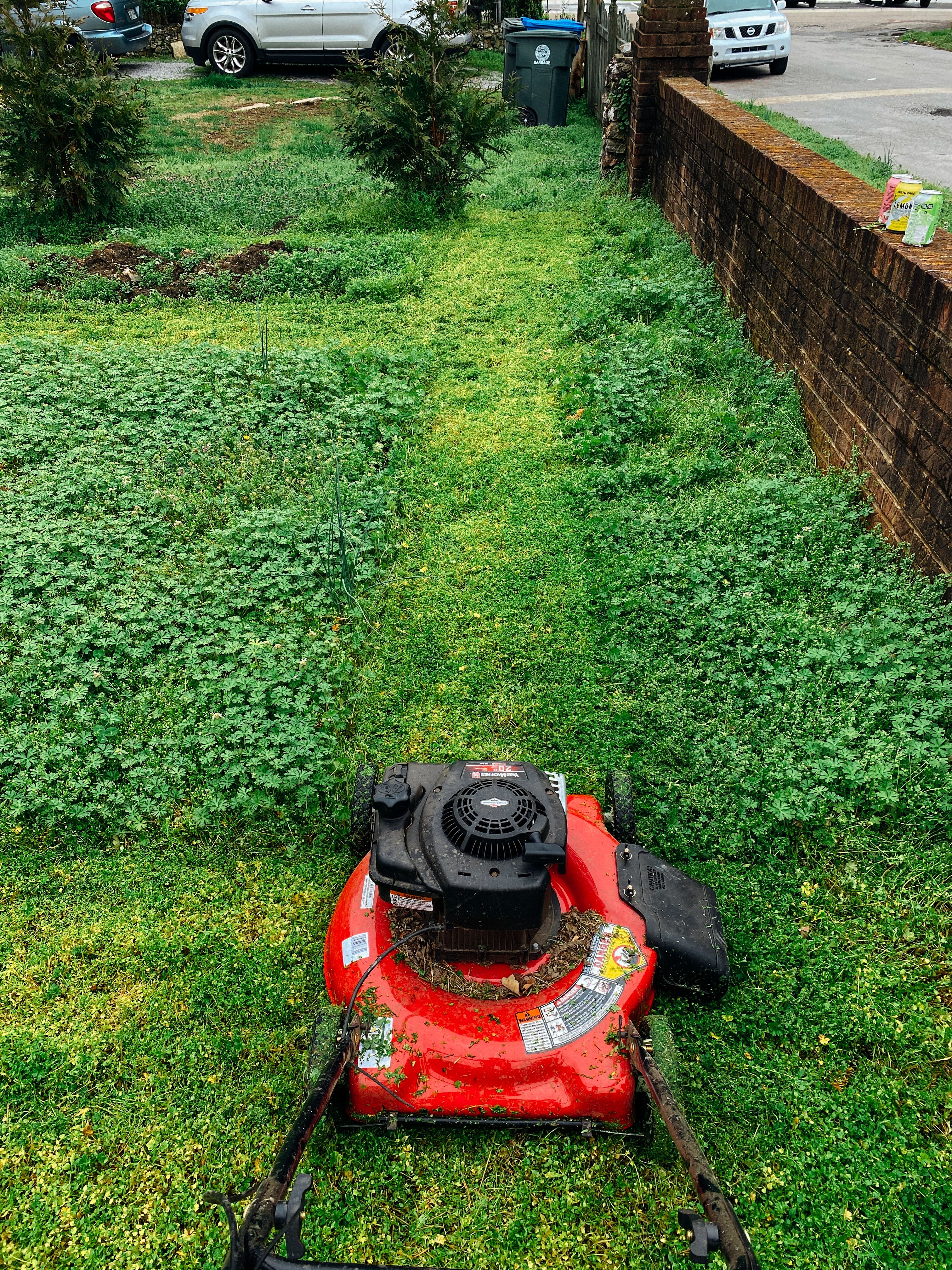
The work that requires zero experience is everywhere: mowing, raking, dog walking, car washing, errands, weeding, snow shoveling. If you can do the task and show up when you said you would, you are qualified.
Step 1: Pick Two or Three Services You Can Actually Deliver
Do not offer everything. Choose a short list you can do well:
- Easiest entry: raking, weeding, car washing, errands, dog walking
- Slightly more skill: lawn mowing, babysitting, pet sitting
- If you have a strength: tutoring, tech help, video editing
A tight menu makes you easy to recommend. "The kid who mows lawns" gets referred. "The kid who does whatever" gets forgotten.
Step 2: Price Like a Beginner (But Not a Desperate One)
Check what local adults charge for the same service, then price slightly below it. You are offering convenience and neighborhood trust, not a professional crew. Typical ranges: mowing $30 to $60, dog walks $15 to $25, car washes $25 to $50, errands $15 to $30, tech help $20 to $40.
Price by the job, not the hour, for chores. Neighbors prefer knowing the total upfront, and it stops you from being punished for working fast.
Step 3: Get Your First Three Jobs Any Way You Can
The first three jobs are the hardest. After that, reviews and referrals carry you. Pull every lever:
- Family and family friends. Your first jobs will almost always come from people who already know you. Ask directly.
- Your own street. A friendly note on twenty doors is still one of the highest converting marketing moves ever.
- HelperWebs. Create a free account and apply to chores neighbors have already posted in your city. These are people actively looking to hire someone like you right now, and payment is held securely by Stripe until the work is done, so homeowners trust new helpers faster.
- Parents' networks. One post from your parent in their group chat can book your whole month.
Step 4: Turn Every Job Into a Reference
In neighborhood work, reviews are your resume. After each job:
- Do the small things right: show up on time, finish completely, clean up after yourself.
- Send a short thank you message when it is done.
- Ask happy customers if they would leave a review on your HelperWebs profile or recommend you to a neighbor.
Three good reviews change everything. At that point strangers stop feeling like strangers, because your profile does the talking.
Step 5: Level Up to Better Paying Work
Once you have a base of jobs and reviews, raise your ceiling:
- Add recurring work. Weekly mowing and dog walking clients are predictable income.
- Raise prices slowly for new customers as your reviews stack up.
- Move into skilled gigs. Tutoring ($20 to $40 per hour) and tech help ($20 to $40 per visit) pay far more than basic chores, and the trust you built makes neighbors happy to hire you for them.
What About Formal First Jobs?
Businesses that hire teens with no experience do exist: grocery stores, ice cream shops, movie theaters, summer camps, and fast food chains are the usual starters. The tradeoffs are the fixed schedule, the weeks long hiring process, and the minimum wage pay. If you want structure and coworkers, go for it. If you want flexibility and better hourly money, neighborhood work wins, and nothing stops you from doing both.
What a Realistic First Month Looks Like
Week one: set up your profile, tell family and neighbors you are available, and apply to every nearby job you can genuinely do. Expect two or three small jobs.
Week two: do those jobs extremely well. Show up early, do the edges, send a thank you message, and ask for the review.
Week three: your first reviews are live and repeat bookings start. The mowing customer wants you weekly. Someone messages you directly because your neighbor mentioned you.
Week four: you have a small route of regulars and a profile with proof. Jobs start coming to you instead of the other way around.
Nothing about this requires experience. It requires showing up, which is the one thing fully in your control.
What to Say When Someone Asks About Experience
Be honest and pivot to what matters: "I am just starting out, which is why my price is fair, and I take every job seriously. If you are not happy with the work, I will make it right." Confidence plus a fair offer beats a padded resume every time.