Odd jobs are the original side hustle. Someone three streets over needs a garage cleaned out, a fence painted, a couch moved, or a dog walked, and they would happily pay a neighbor to do it today. The trick is that odd jobs are rarely advertised anywhere obvious.
Here is where local gigs actually hide, how to be the first person in line for them, and how to turn random one offs into steady income.
What Counts as an Odd Job?
Anything too small for a company and too annoying for the owner to keep putting off:
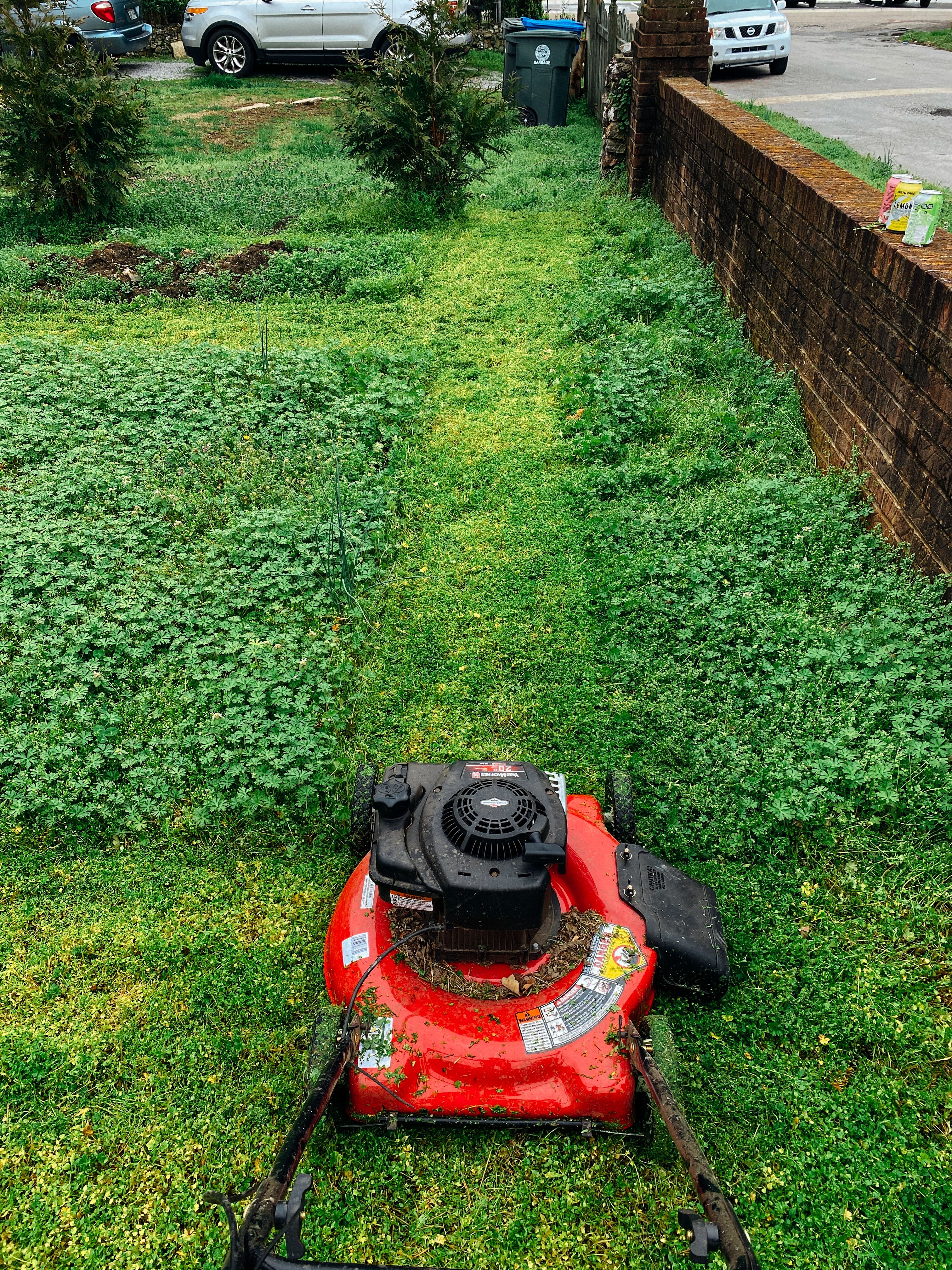
- Yard work: mowing, raking, weeding, hauling branches
- Pet care: walking, feeding, litter scooping, vacation sitting
- Moving and lifting: loading trucks, garage cleanouts, furniture assembly
- Tech help: phone setup, Wi-Fi fixes, smart TV configuration
- Errands: grocery runs, package pickups, returns
- Seasonal work: snow shoveling, holiday lights, spring cleanups
- Event help: yard sale staffing, party setup and teardown
Professional services often will not touch jobs this small, or they charge minimums that make no sense. That gap is where you come in.
Where to Find Odd Jobs Near You
1. Hyperlocal marketplaces. The most direct route by far. On HelperWebs, neighbors in your city post the exact chores they need done, and local students apply. You see only jobs near you, the pay is stated upfront, and payment is held securely by Stripe until the work is confirmed done. Free to join, two minutes to set up, and every completed job adds a review that wins you the next one.
2. Neighborhood apps and groups. Nextdoor, local Facebook groups, and community chats have a steady stream of "does anyone know someone who can..." posts. The catch: no reviews, no payment protection, and posts get buried fast. Check them daily and reply quickly.
3. Bulletin boards. Coffee shops, libraries, grocery stores, community centers, and places of worship. Low tech, but the people posting there are genuinely local and often older, meaning less competition from app users.
4. Word of mouth. Tell everyone you know that you are available for odd jobs. Parents' friends, teachers, coaches, your own neighbors. Most odd jobs are filled through "oh, I know someone" before they are ever posted anywhere.
5. Your own route. Once you have done a few jobs, past customers are your best source of new ones. Check in occasionally: "Anything you need done this month?" works surprisingly often.
How to Be the First in Line
Odd jobs go to whoever responds first and sounds most reliable:
- Reply fast. Same hour if you can. The first clear, friendly response usually wins.
- Confirm the details immediately. Task, price, and when you will do it, in your first message.
- Keep your profile strong. On HelperWebs, a profile with reviews does the convincing for you before you even apply.
- Say yes to small jobs. A $20 errand is a foot in the door. Small jobs become big relationships.
Pricing Odd Jobs
Check what the task is worth and state your price confidently. Fair local ranges: mowing $30 to $60, dog walks $15 to $25, car washes $25 to $50, tech help $20 to $40, errands $15 to $30, moving help $20 to $30 per hour. Price by the job for defined tasks and by the hour for open ended ones. When in doubt, ask what they had in mind; most people are honest about it.
Staying Safe on Odd Jobs
Working for strangers requires a few non negotiables:
- Tell someone where you are going for every job, with the address and expected finish time.
- Keep messages on the platform instead of handing out your personal number.
- Meet in visible places first. Front yards, driveways, doorsteps.
- Never pay anything to get a job. Real gigs pay you, not the other way around.
- Trust your gut. A job or person that feels off is not worth any paycheck.
From Random Gigs to Regular Income
The endgame is not chasing a new odd job every day. It is converting them: the one time mow becomes weekly, the garage cleanout customer texts you every season, the dog walk becomes five days a week. Three or four regulars built from odd jobs is a real income that no longer feels like hunting.
The Best Odd Jobs by Season
Odd job demand follows the calendar, and the earners who plan a month ahead never run out of work:
Spring. The biggest season of the year. Lawns wake up, gardens need weeding and mulching, garages get cleaned out, and everyone wants their windows and gutters done. Spring cleanups alone can fill your weekends from March through May.
Summer. Peak mowing season, plus vacation coverage: pet sitting, plant watering, mail pickup, and house sitting while families travel. Car washing and moving help (everyone moves in summer) round it out.
Fall. Leaf season is a goldmine. Raking and bagging pays $40 to $100 per yard, and most homeowners need it done two or three times before winter. Add gutter cleaning and winterizing outdoor furniture.
Winter. Snow shoveling is the obvious one, and a heavy storm can mean hitting five driveways in a morning at $25 to $50 each. Holiday light hanging in November and December pays well for a few hours of ladder work, and taking lights down in January is the follow up job nobody thinks to offer.
On HelperWebs you can filter by category and city, so when a season hits you can jump on the new postings the day they appear.