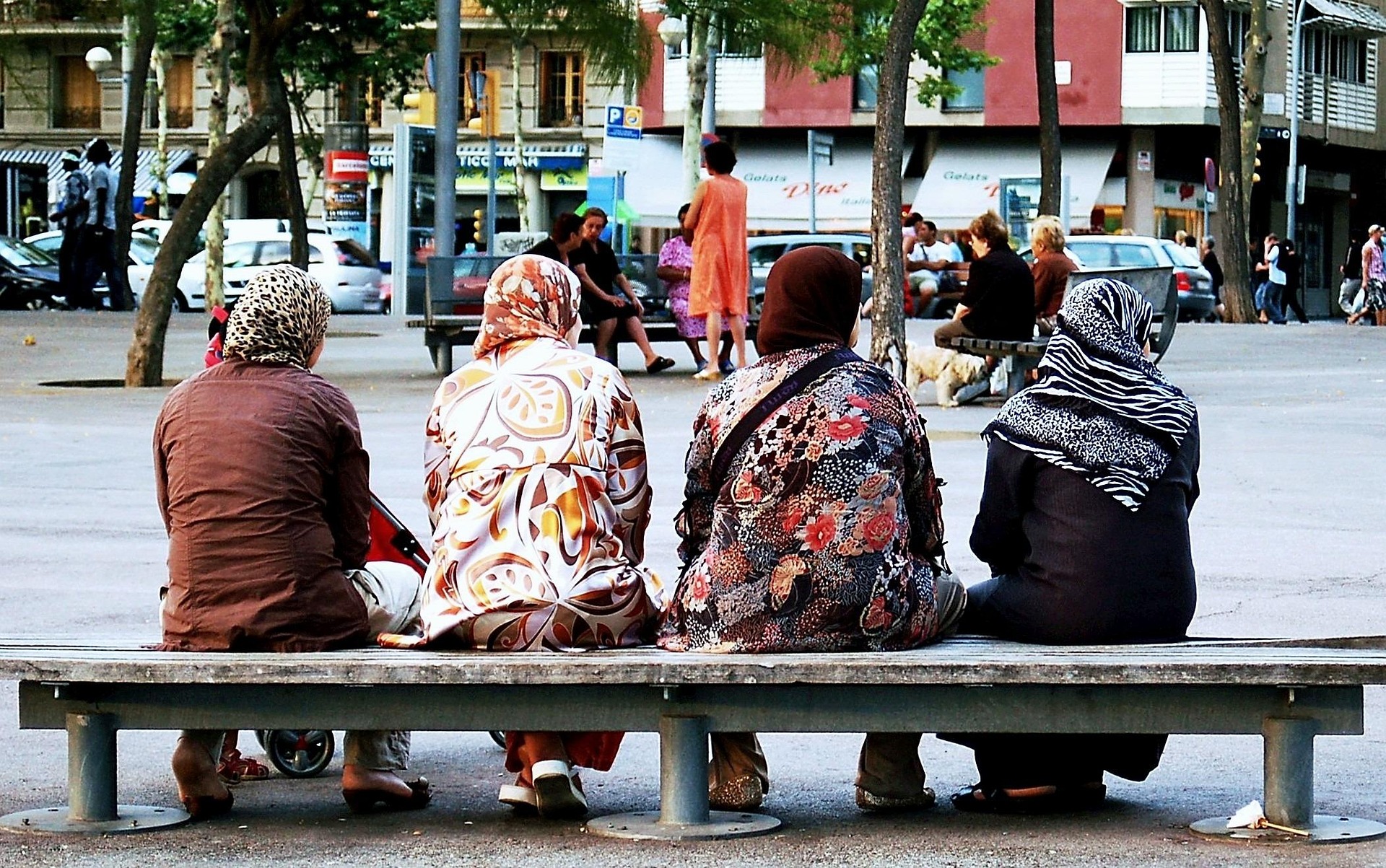
Every neighborhood has them: the older couple whose lawn is getting away from them, the widow who cannot lift her groceries anymore, the grandfather staring at a new smartphone like it might bite him. They need help more than anyone on the street, and they are often the last to ask for it.
Helping elderly neighbors is one of the most genuinely useful things you can do, and for teens, it can also become steady, meaningful paid work. Here is how to do it right.
What Elderly Neighbors Actually Need Help With
Errands and groceries. Grocery runs, pharmacy pickups, and package drop offs are the most requested help by far. Carrying bags and navigating stores gets hard long before people want to admit it. Typical pay: $15 to $30 per trip.
Tech help. Setting up phones, fixing Wi-Fi, teaching video calls with grandkids, untangling a smart TV. If you grew up with technology, an hour of your patience is worth $20 to $40 per visit, and it genuinely changes someone's week.
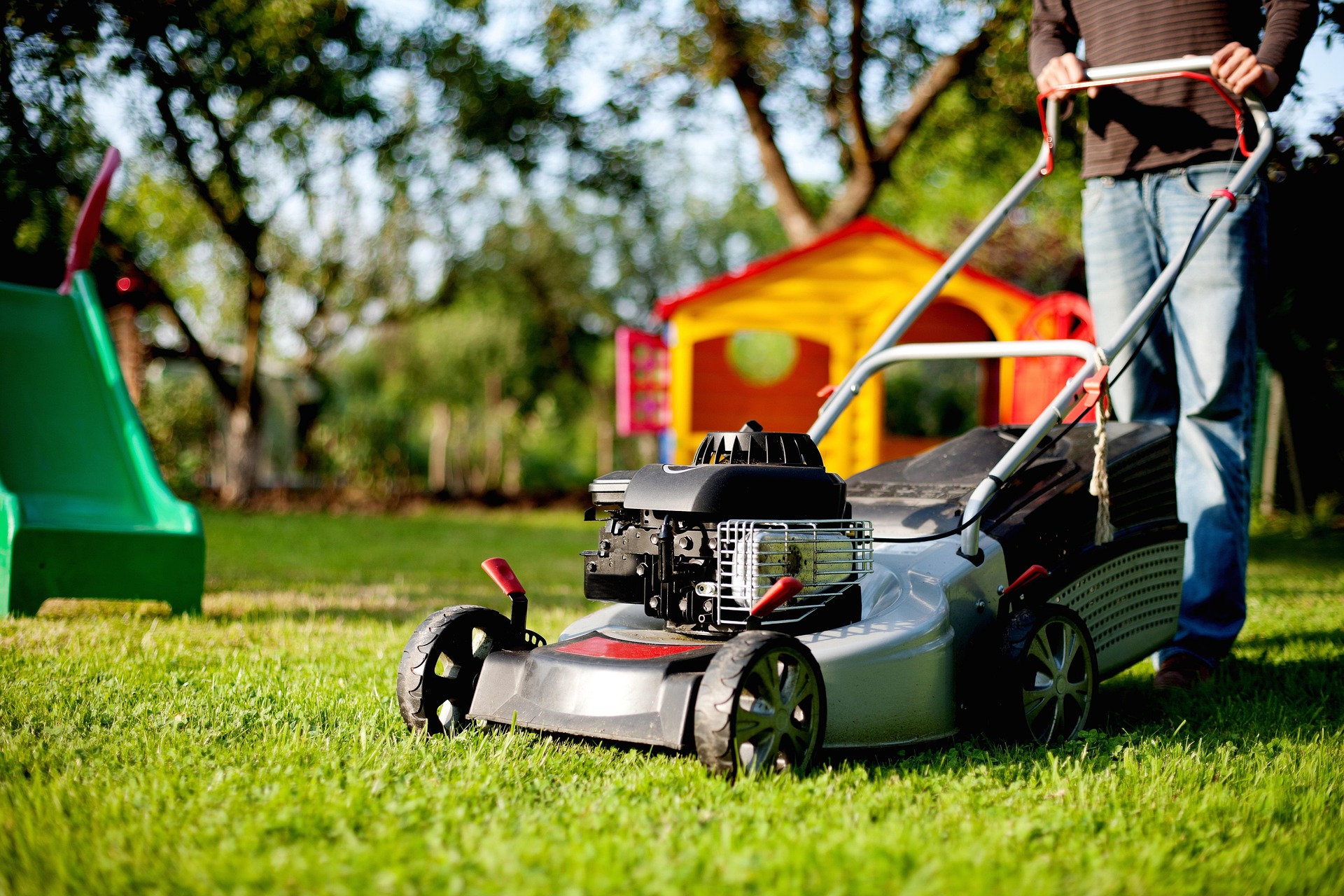
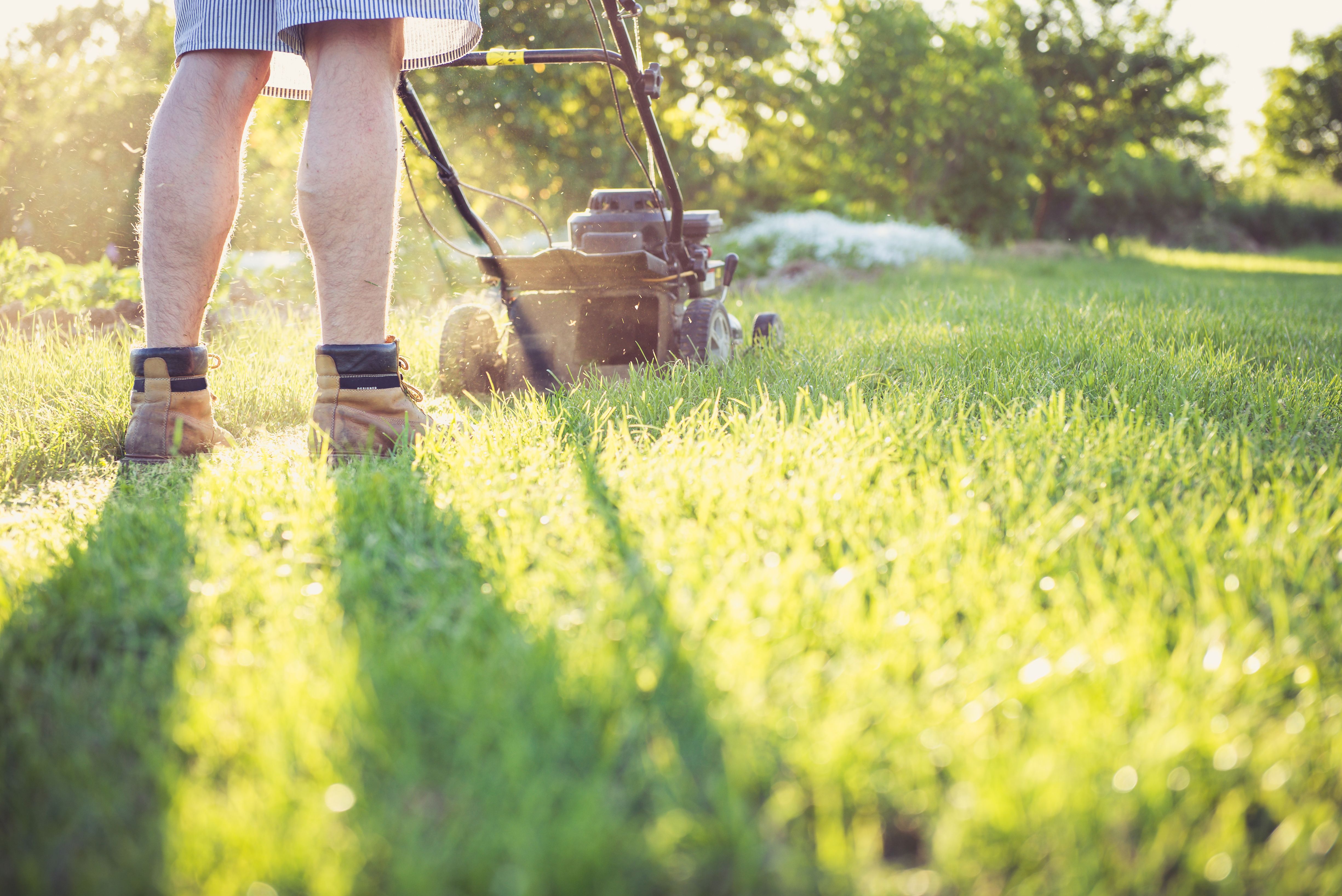
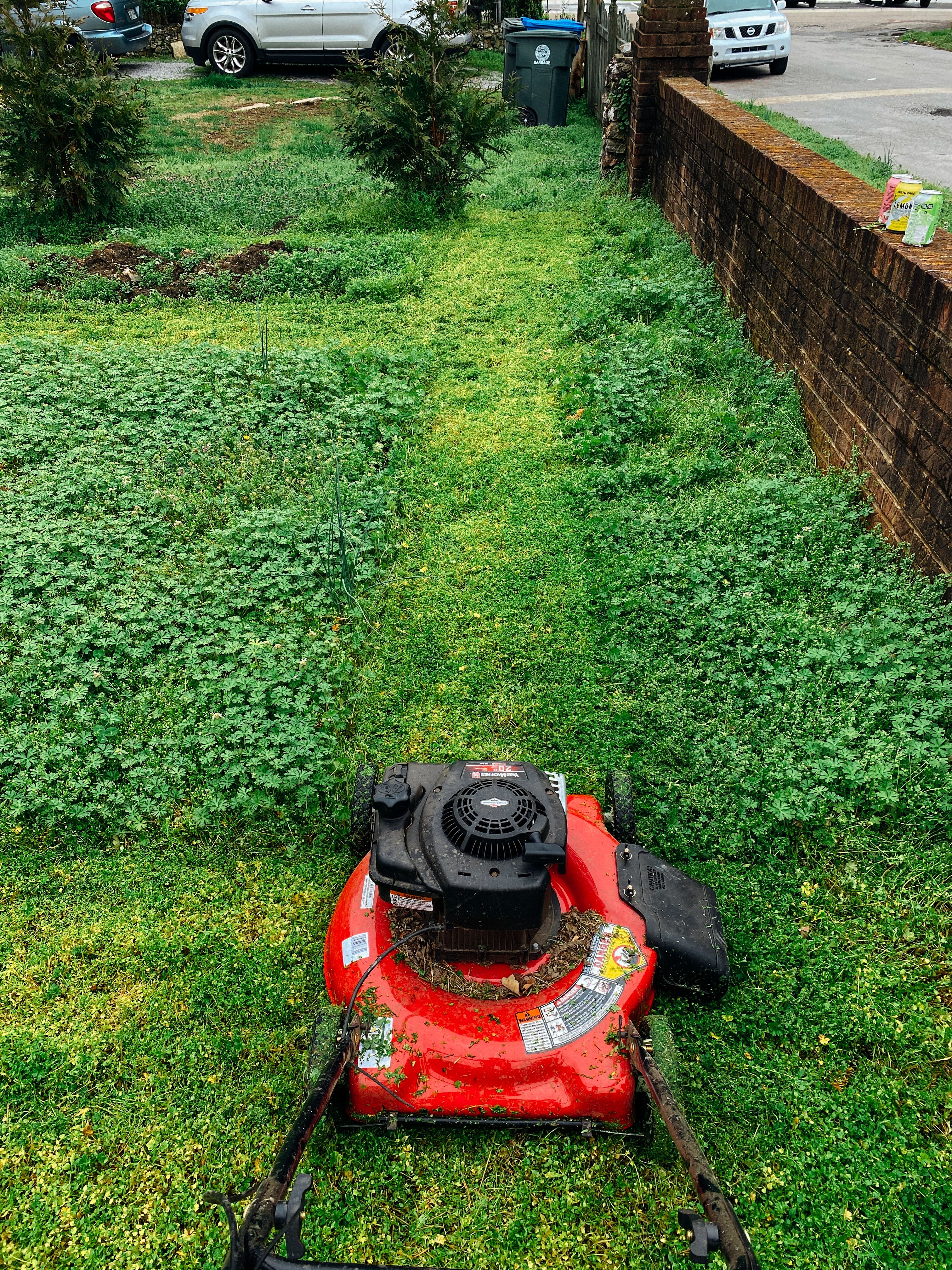
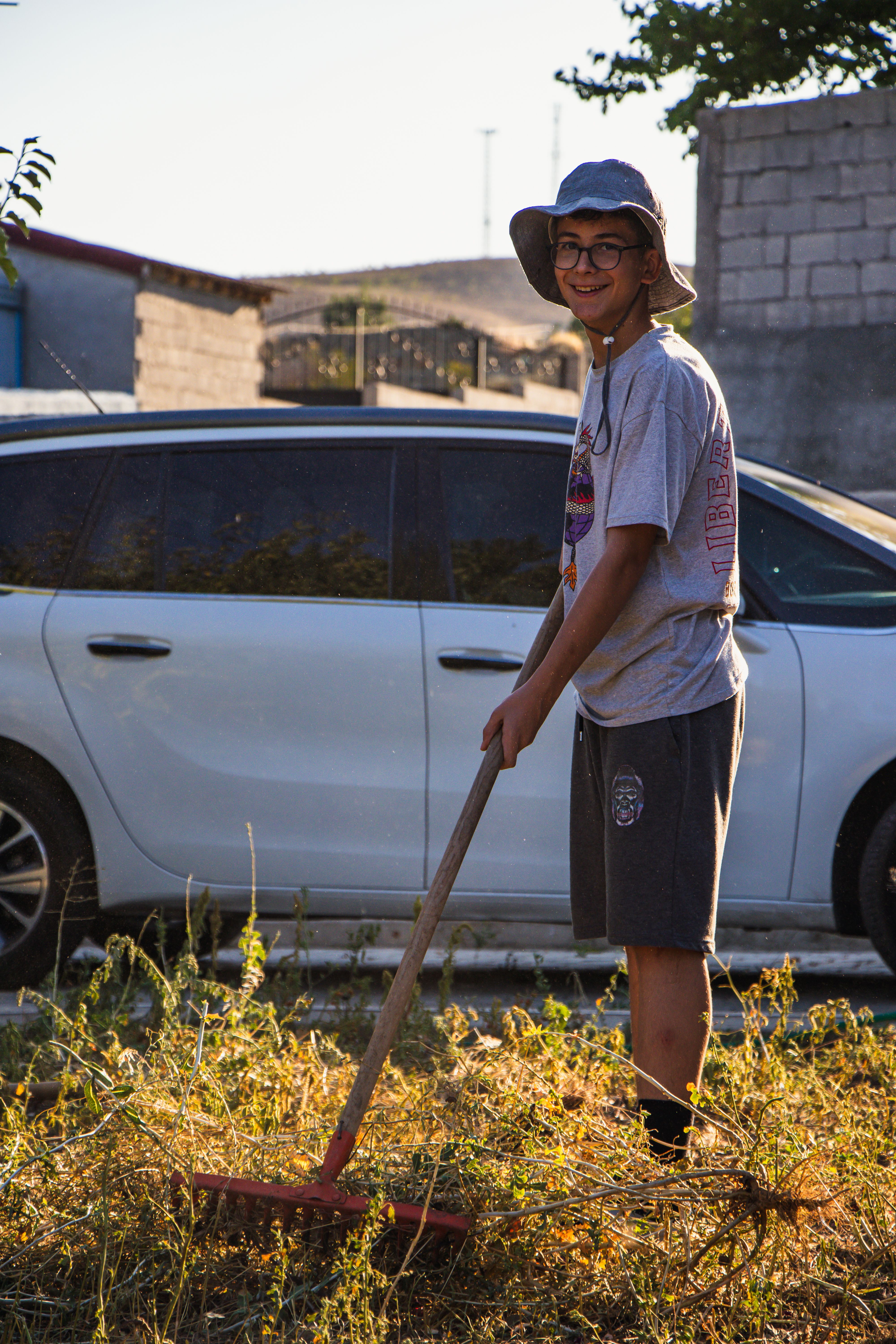
Yard work. Mowing, raking, weeding, and watering. Physical yard work is often the first thing older homeowners cannot keep up with, at $30 to $60 per mow and $40 to $100 per cleanup.
Snow shoveling. For elderly neighbors, an unshoveled walkway is not an inconvenience, it is a fall risk. $25 to $50 per snowfall, and you may genuinely prevent an injury.
Pet care. Walking a beloved dog that has gotten too strong for its owner, or feeding the cat during a hospital stay. $15 to $25 per walk, $30 to $60 per day of sitting.
Small household tasks. Changing lightbulbs, bringing in trash bins, moving something heavy, reading fine print. Tiny to you, enormous to them.
How to Offer Help Without Being Awkward
Many older people resist asking for help because they do not want to be a burden. Make the offer easy to accept:
- Be specific. "I am happy to grab your groceries when I go to the store" lands better than "let me know if you need anything."
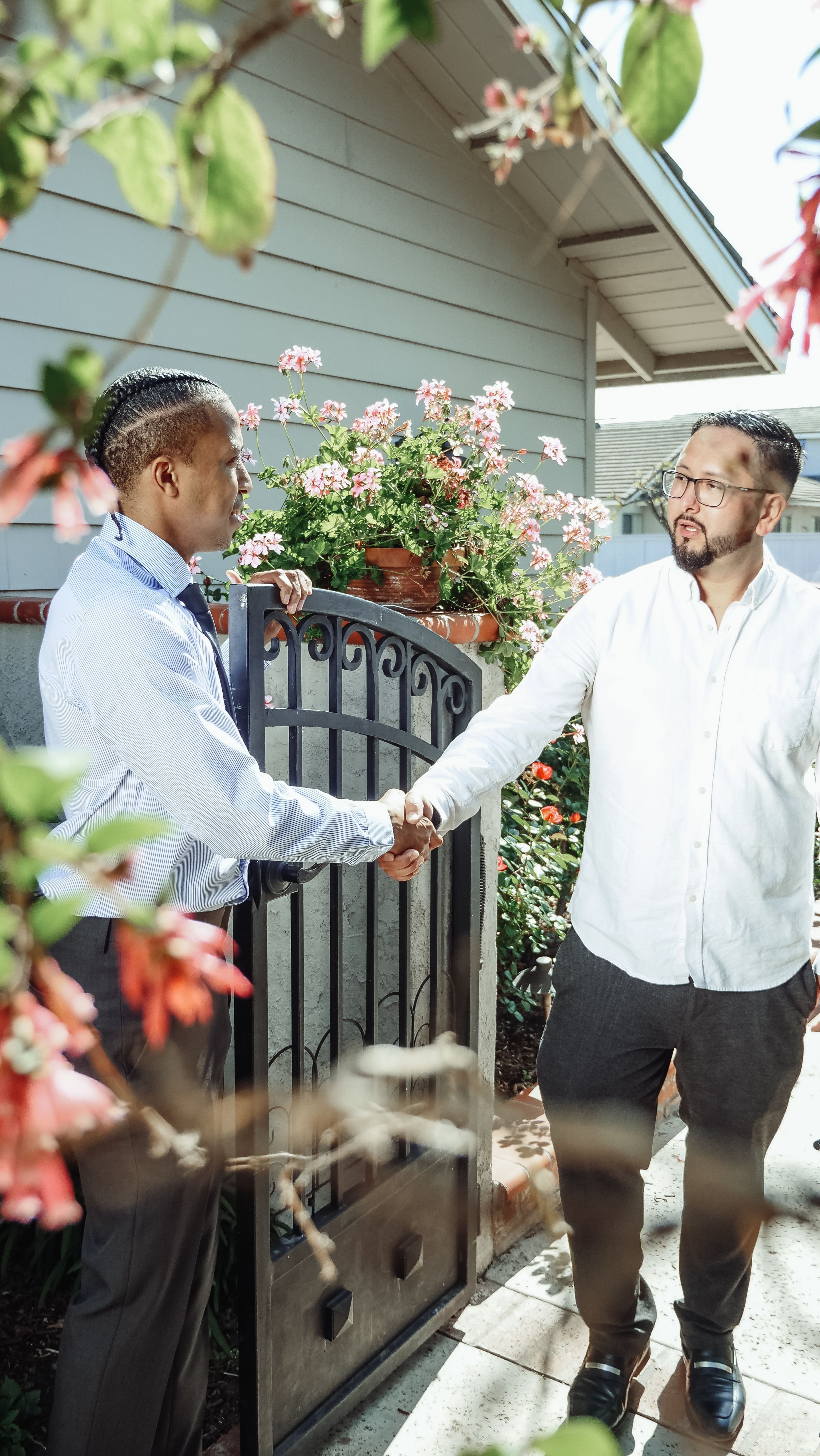
- Offer through a normal channel. A friendly note, an introduction through a mutual neighbor, or a posted job they respond to. Some seniors are more comfortable hiring help than accepting charity, and that is okay.
- Show up consistently. Trust with elderly neighbors is built in months of small reliable moments, not one grand gesture.
- Include their family when appropriate. Adult children who live far away are often relieved to know a trustworthy local teen is helping their parents, and they will happily pay for it.
Paid Help or Volunteering?
Both are good, and they serve different situations:
- Volunteer for neighbors on tight fixed incomes, for one off kindnesses like bringing in bins, and when your goal is pure community. Volunteering for seniors is also one of the most meaningful things a teen can put on a college application.
- Accept fair payment when the neighbor offers it or when the work is recurring. Many elderly homeowners strongly prefer paying, because it keeps the relationship dignified and lets them ask for help without guilt. Regular paid help is also sustainable in a way pure volunteering often is not.
The sweet spot for teens: paid recurring work for neighbors who can afford it, plus the occasional freebie for those who cannot. You build income and community at the same time.
The Safest Way to Set It Up
Both sides worry about trust, and for good reason. Elderly homeowners are common scam targets, and teens need protection too. A few ground rules:
- Keep arrangements visible and documented. Family members should know who is helping and when.
- Use a platform with protected payment. On HelperWebs, the job, the price, and the messages are all in one place, and payment is held securely by Stripe until the work is confirmed done. No cash confusion, no awkwardness, and a record that protects everyone.
- Start with outdoor and public tasks. Yard work and errands build trust before anyone needs house keys.
- Teens: tell a parent about every job. Helpers under 18 on HelperWebs confirm a parent or guardian knows about their account.
Why This Is the Best Work a Teen Can Do
Helping elderly neighbors pays fairly, but the real returns run deeper. You become the person an entire street trusts. You get references that carry weight for years. You learn to talk to people decades older than you, which is a life skill most adults never master. And somewhere along the way, the neighbor who pays you to mow becomes the one who asks about your college plans and writes you a recommendation.
There is also a practical side most teens miss: elderly customers are the most loyal customers you will ever have. They book the same help every week, they pay on time, they tell their friends at church and at the senior center, and they remember you at the holidays. One happy elderly neighbor often turns into three or four regular customers on the same street, which is about as close to guaranteed income as teen work gets.