Between gas money, phone bills, concerts, and saving for college, most high schoolers could use some extra cash. The good news: you don't need to wait until you're 18 (or even 16) to start earning. Some of the best-paying, most flexible work for teenagers is hiding right in your own neighborhood.
This guide covers 15 real ways to make money as a high schooler in 2026, what each one pays, how to get started, and how to stay safe while you do it.
Why Neighborhood Work Beats a "Real Job" for Most Teens
A traditional part-time job (fast food, retail) sounds like the obvious move, but it comes with problems: fixed shifts that clash with school and sports, formal hiring processes that often prefer workers who are 16 or 18+, and commutes that eat your time and your paycheck.
Neighborhood work flips all of that:
- You set your own schedule. Take jobs on weekends or after school, skip them during finals week.
- No age gate. There's no hiring manager. Neighbors care that you show up and do a good job, not how old you are.
- Better hourly pay. Mowing a lawn for $35 to $50 often beats two hours of minimum-wage shift work.
- Zero commute. The work is on your street, not across town.
15 Ways to Make Money as a High Schooler
Outdoor and Yard Work
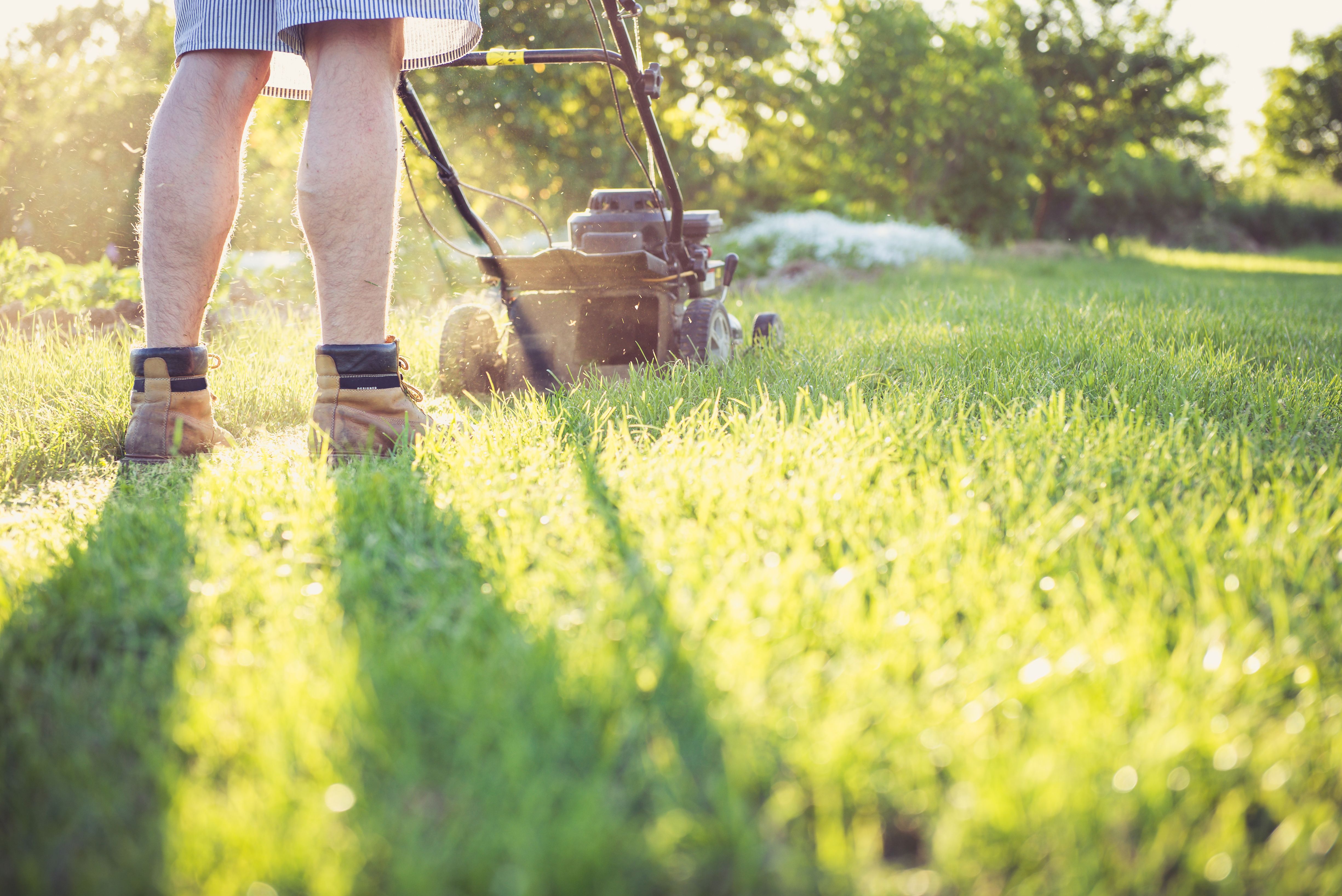
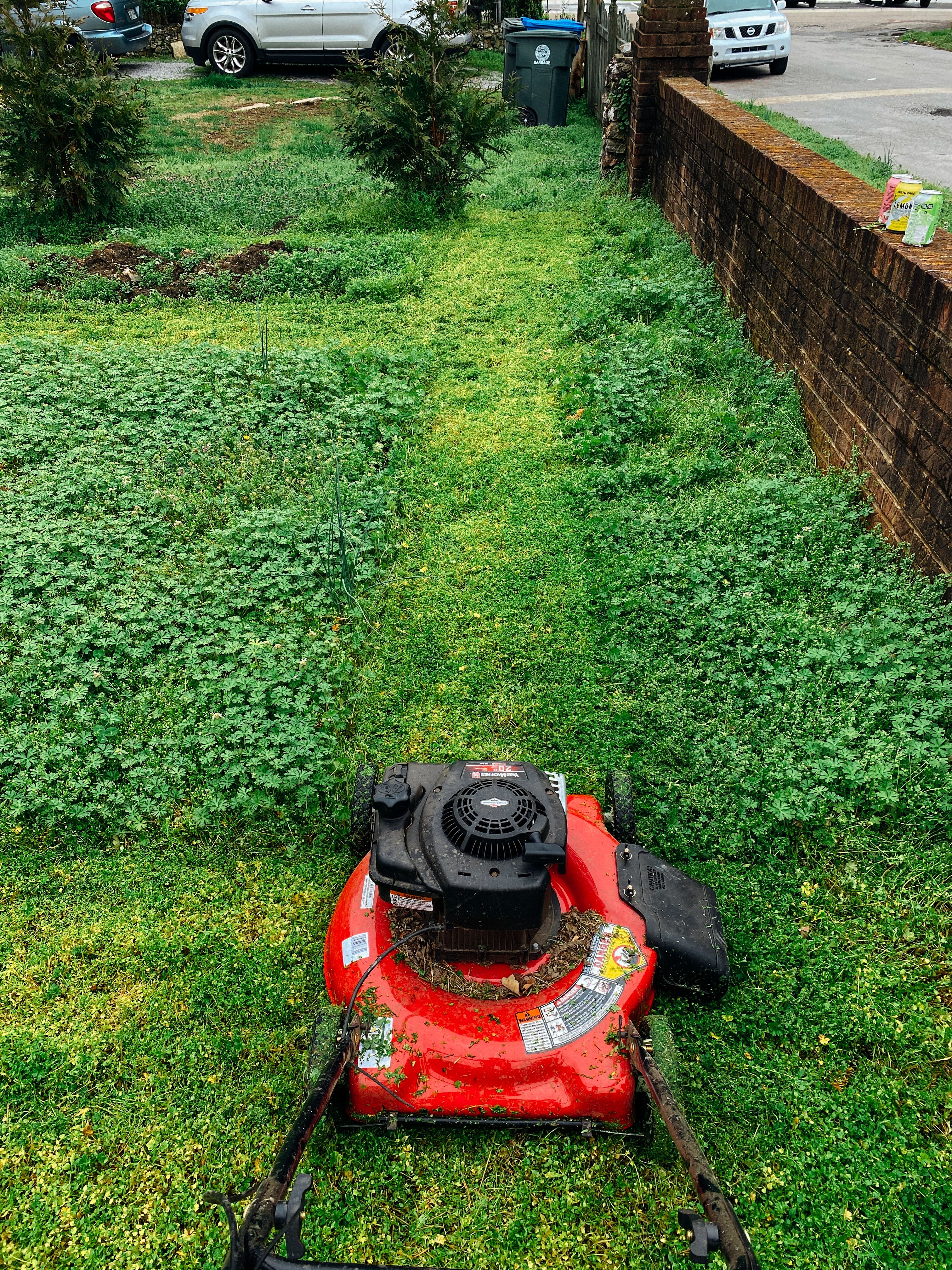
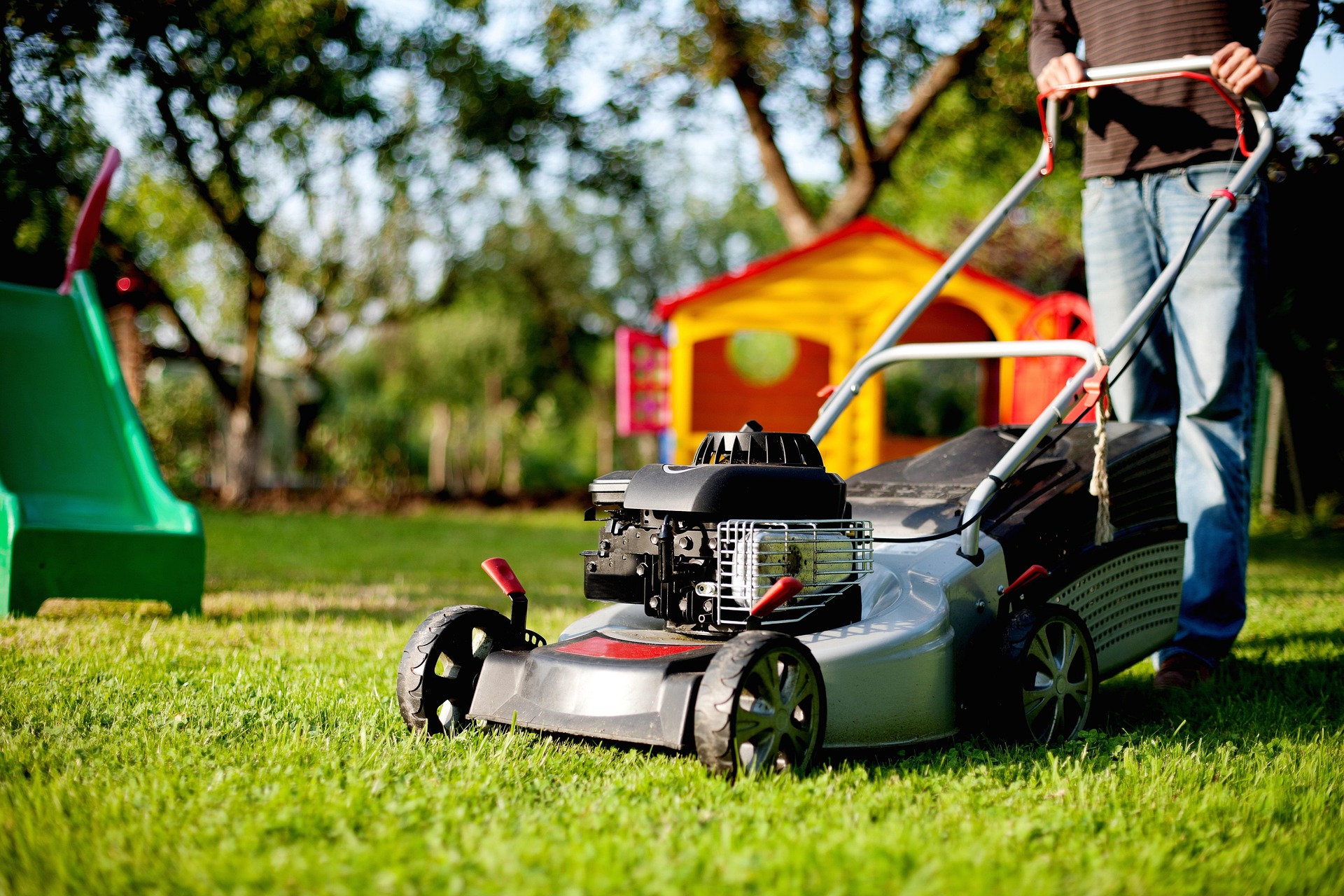
1. Lawn mowing and edging. The classic for a reason. Most yards take 30 to 60 minutes, and homeowners happily pay $30 to $60 per visit, weekly, all summer long. One street of regular clients can be a steady $200+ a month.
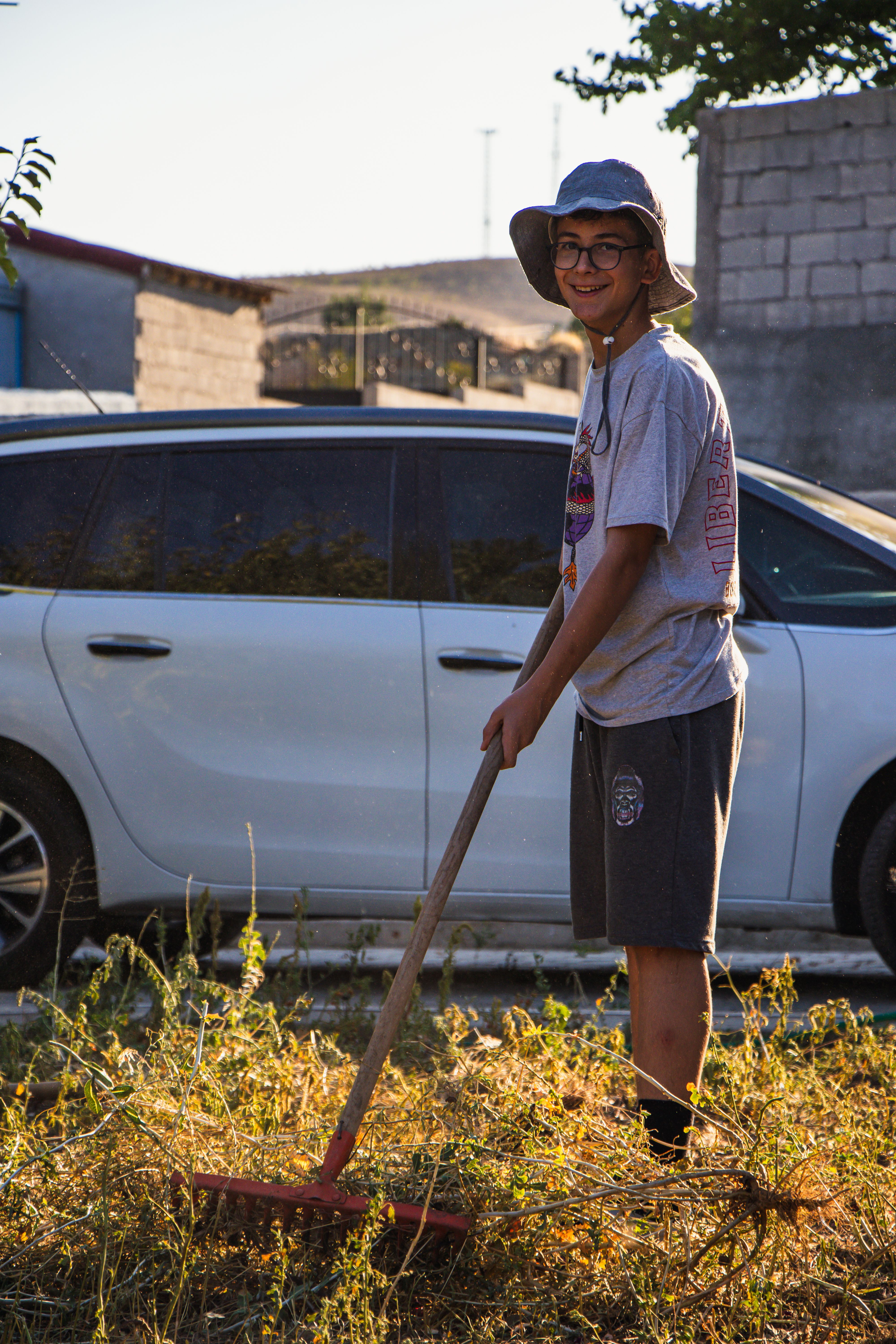
2. Raking leaves and seasonal cleanups. Same customers, different season. Fall leaf removal and spring yard prep are one-time jobs that typically pay $40 to $100 depending on yard size.
3. Weeding and garden help. Mulching, planting, and pulling weeds are jobs homeowners dread. Expect $20 to $40 per session.
4. Snow shoveling. If you're in a snowy area, driveways and walkways pay $25 to $50 per snowfall, and neighbors will text you the moment flakes start falling.
Pets and Home Help
5. Dog walking. Busy professionals pay $15 to $25 per walk. Two dogs a day after school adds up fast, and it's genuinely fun work.
6. Pet sitting. Feeding cats or watching a dog for a weekend typically pays $30 to $60 per day. Holiday seasons are gold mines.
7. Babysitting. The original teen job still pays well, usually $15 to $25 per hour. Certifications like Red Cross babysitting courses let you charge more.
8. House sitting and plant watering. Mail pickup, watering plants, and keeping an eye on things while neighbors travel. Easy money: $20 to $40 per day.
Skills-Based Gigs
9. Tech help for seniors. Setting up phones, fixing Wi-Fi, teaching grandparents to video call their grandkids. If you grew up with technology, you're already qualified, and neighbors gladly pay $20 to $40 per visit for your patience.
10. Tutoring. Strong at math, English, or a language? Younger students (and their parents) pay $20 to $40 per hour for help from someone who just aced the same class.
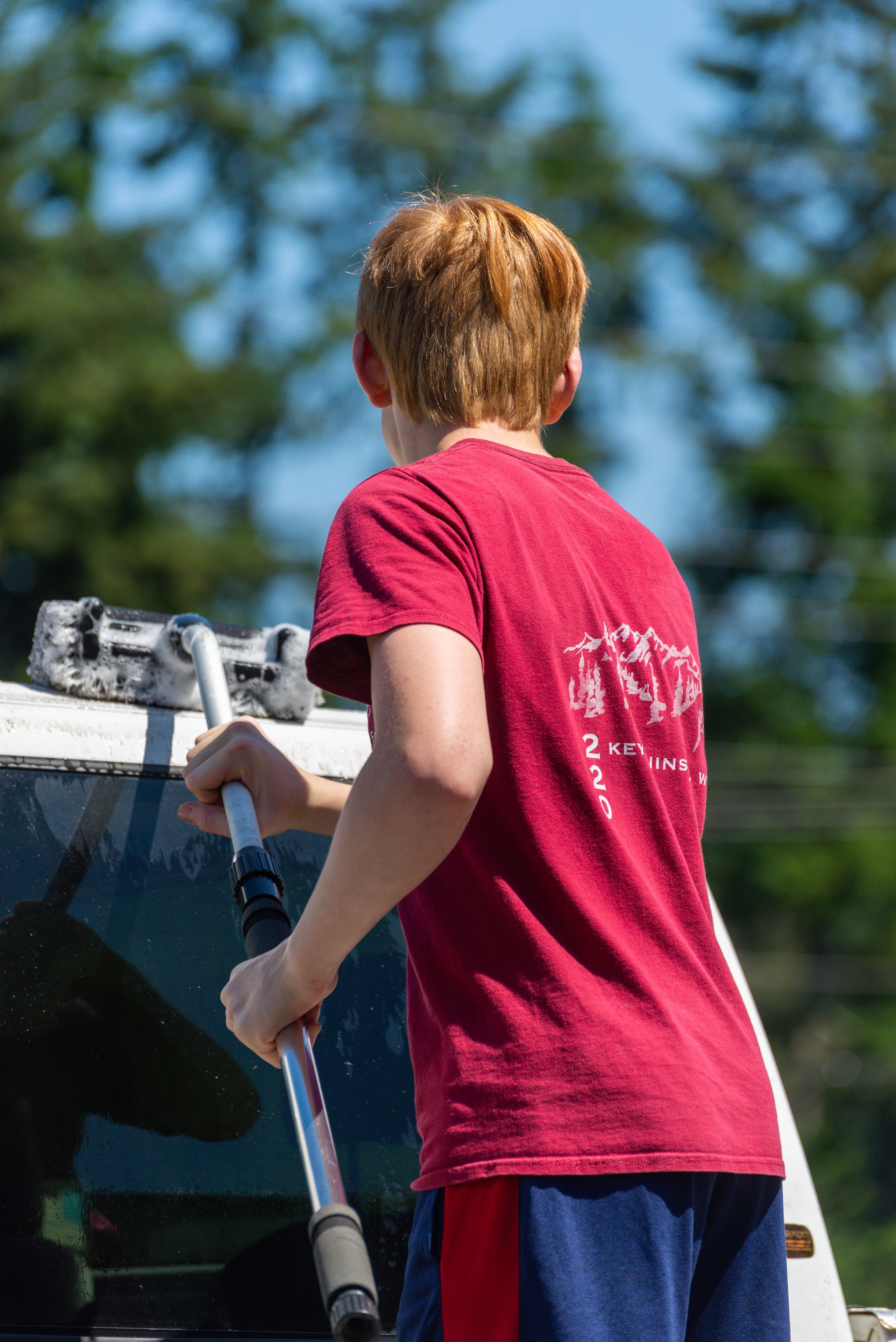
11. Car washing and detailing. A bucket, soap, and some microfiber towels turn a driveway into $25 to $50 per car. Offer interior vacuuming as an upsell.
12. Running errands. Grocery runs, package drop-offs, and pharmacy pickups for elderly neighbors or busy families. Usually $15 to $30 per trip.
Online and Creative Options
13. Selling stuff online. Outgrown clothes, old games, and unused gear sell fast on resale apps. It's not recurring income, but it's a solid one-time boost.
14. Digital skills. Basic video editing, thumbnail design, or managing a local business's social media can pay $15 to $30 per hour, all from your bedroom.
15. Recycling and returns. Collecting cans and bottles in states with deposit programs, or returning pallets and boxes for local businesses. Old school, but it works.
How Much Should You Charge?
Pricing trips up most first-timers. Charge too little and neighbors wonder what's wrong; too much and they hesitate. A few rules of thumb:
- Price by the job, not the hour for chores like mowing or raking, neighbors prefer knowing the total upfront.
- Check what adults charge for the same service, then price slightly below it. You're offering convenience and local trust, not a corporate crew.
- Raise prices for regulars slowly. Once someone books you weekly, small increases stick.
Typical ranges: lawn mowing $30 to $60, dog walks $15 to $25, babysitting $15 to $25/hr, tech help $20 to $40/visit, car washes $25 to $50.
Staying Safe While You Earn
Making money is great; staying safe matters more. Follow these rules every time:
- Tell a parent or guardian where you're going, every job, every time. Share the address and when you'll be back.
- Bring a friend to first-time jobs, or have a parent drop you off and check out the situation.
- Keep communication on a platform instead of handing out your personal number to strangers.
- Meet in public or visible places first. Front yards and driveways are better than back rooms.
- Trust your gut. If a job or a person feels off, walk away. No paycheck is worth it.
The Easiest Way to Start: HelperWebs
The hardest part of neighborhood work isn't the work, it's finding the neighbors who need it. That's exactly what HelperWebs solves.
HelperWebs is a free marketplace built specifically for high schoolers and their neighbors. Neighbors post chores, lawn mowing, dog walking, tech help, car washes, and local students apply. Everything happens in one place:
- Jobs are hyperlocal. You only see work in your own city.
- Payment is protected. The neighbor pays when they post; the money is held securely by Stripe and released to you when the job is done. No chasing people for cash.
- No contact info swapping. You message right in the platform.
- Ratings build your reputation. Every completed job makes the next one easier to get.
Creating an account takes less than two minutes, and it's free to join. If you're under 18, just confirm your parent or guardian knows you're using it.