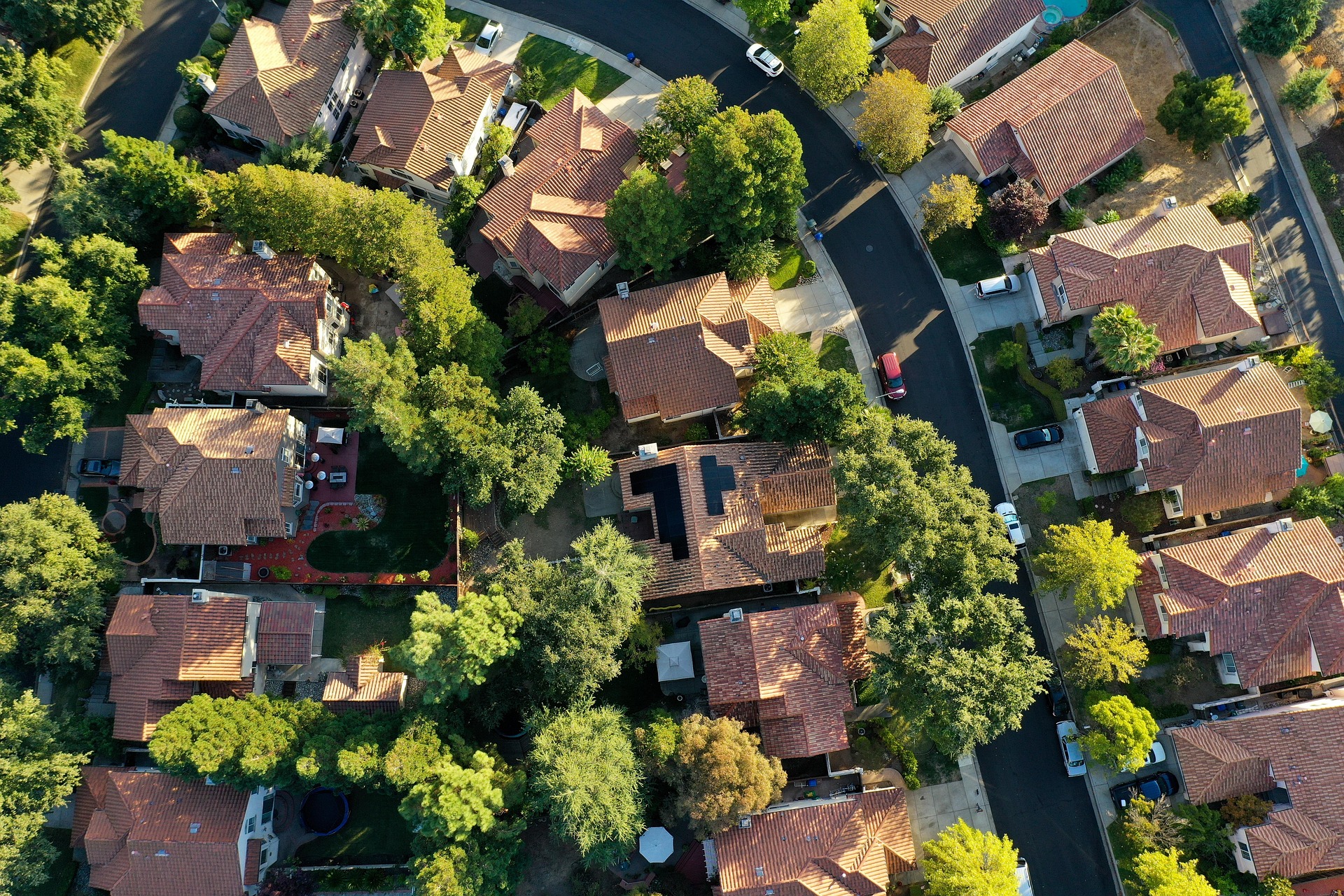
Most of us want the same thing: a neighborhood that feels like an actual community, people who wave, who lend tools, who check in when your porch light's been off for a week. But between busy schedules and the fact that nobody wants to be the weird one knocking on doors, connecting with neighbors can feel awkward before it even starts.
It doesn't have to be. Here are practical, low-pressure ways to connect with people in your neighborhood, including one surprisingly effective method that also gets your chores done.
Why Bother? The Payoff of Knowing Your Neighbors
Connected neighborhoods aren't just nicer to live in, they're measurably better:
- Safety. Neighbors who know each other look out for each other's homes, kids, and packages.
- Practical help. Borrowed ladders, jumped car batteries, a cup of sugar, someone to water the plants, all free when you know the people around you.
- Local knowledge. The best plumber, the reliable babysitter, which streets flood, neighbors are a search engine that actually knows your area.
- Belonging. Especially for teens and newcomers, knowing your neighbors turns a place you live into a place you're from.
Start Smaller Than You Think
The biggest mistake people make is aiming for "community barbecue" when "learn three names" would do. Connection compounds, start tiny:
- Say the name back. When a neighbor introduces themselves, use their name the next time you see them. It sounds trivial; it changes everything.
- The two-minute rule. Wave, plus one sentence. "Morning, love your garden." Do it for a month and watch what happens.
- Be outside. Front porch, front yard, walking the dog. You can't meet neighbors from the couch.
Practical Ways to Connect
Join (or start) the local group chat
Most neighborhoods have a Facebook group, Nextdoor community, or WhatsApp/Discord chat. Join it, lurk for a week, then post something useful, a recommendation, a heads-up about a road closure, an offer to help. Being the person who contributes is the fastest way to become known.
Show up at local events
Farmers markets, school fundraisers, park cleanups, library programs, holiday events. You don't have to work the room, just attend regularly. Familiarity does the connecting for you; the tenth time you see someone, conversation starts itself.
Volunteer locally
Park cleanups, food drives, school events, community gardens. Volunteering compresses months of small talk into one afternoon of shared work, and the people you meet volunteering are, by definition, the neighbors who care about the neighborhood.
Use your porch, your dog, and your kids
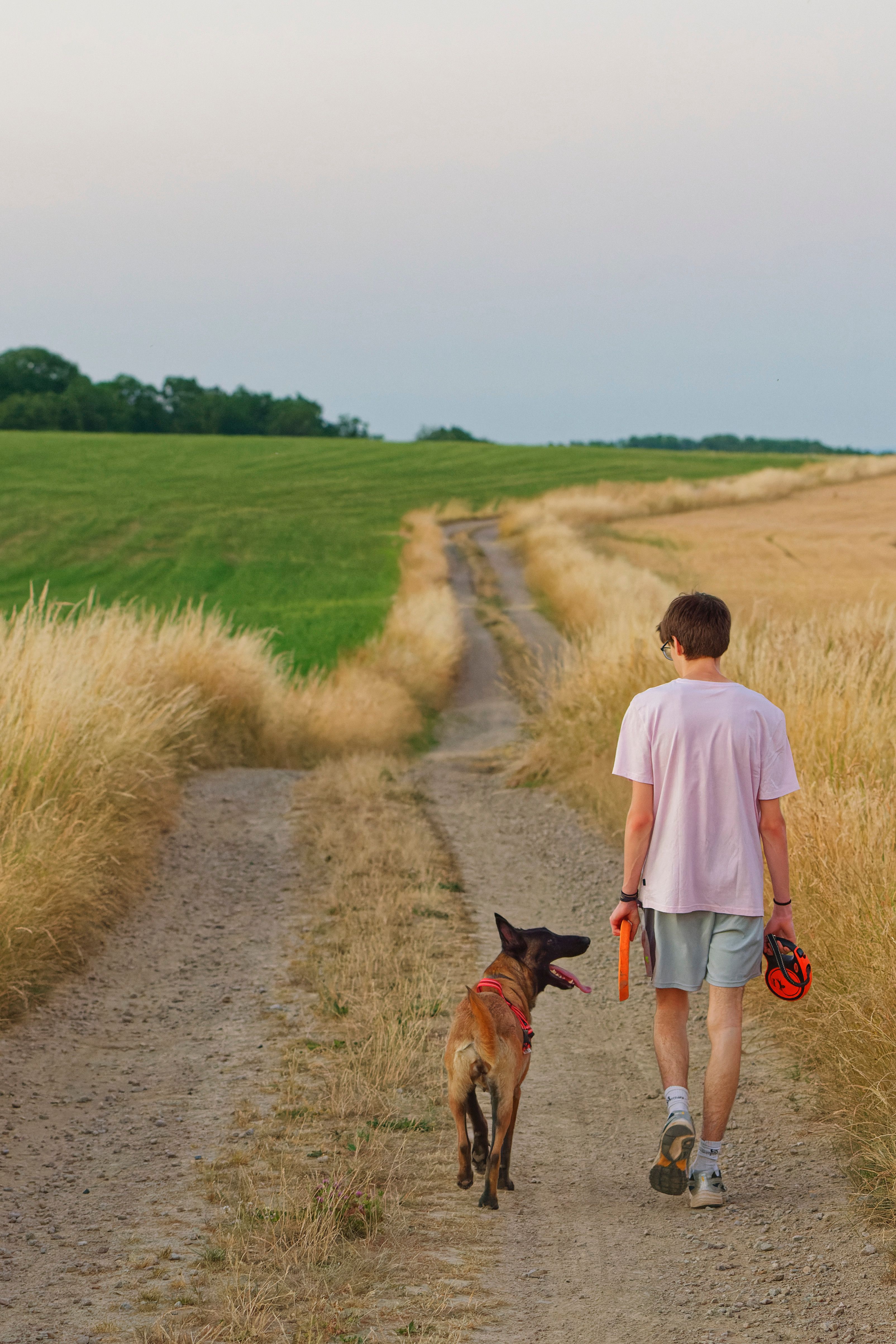
Dogs and children are world-class icebreakers. Walk the dog at consistent times and you'll develop a whole cast of regular acquaintances without trying. Same with front-yard play, chalk art, or a lemonade stand, visibility creates connection.
Offer help first
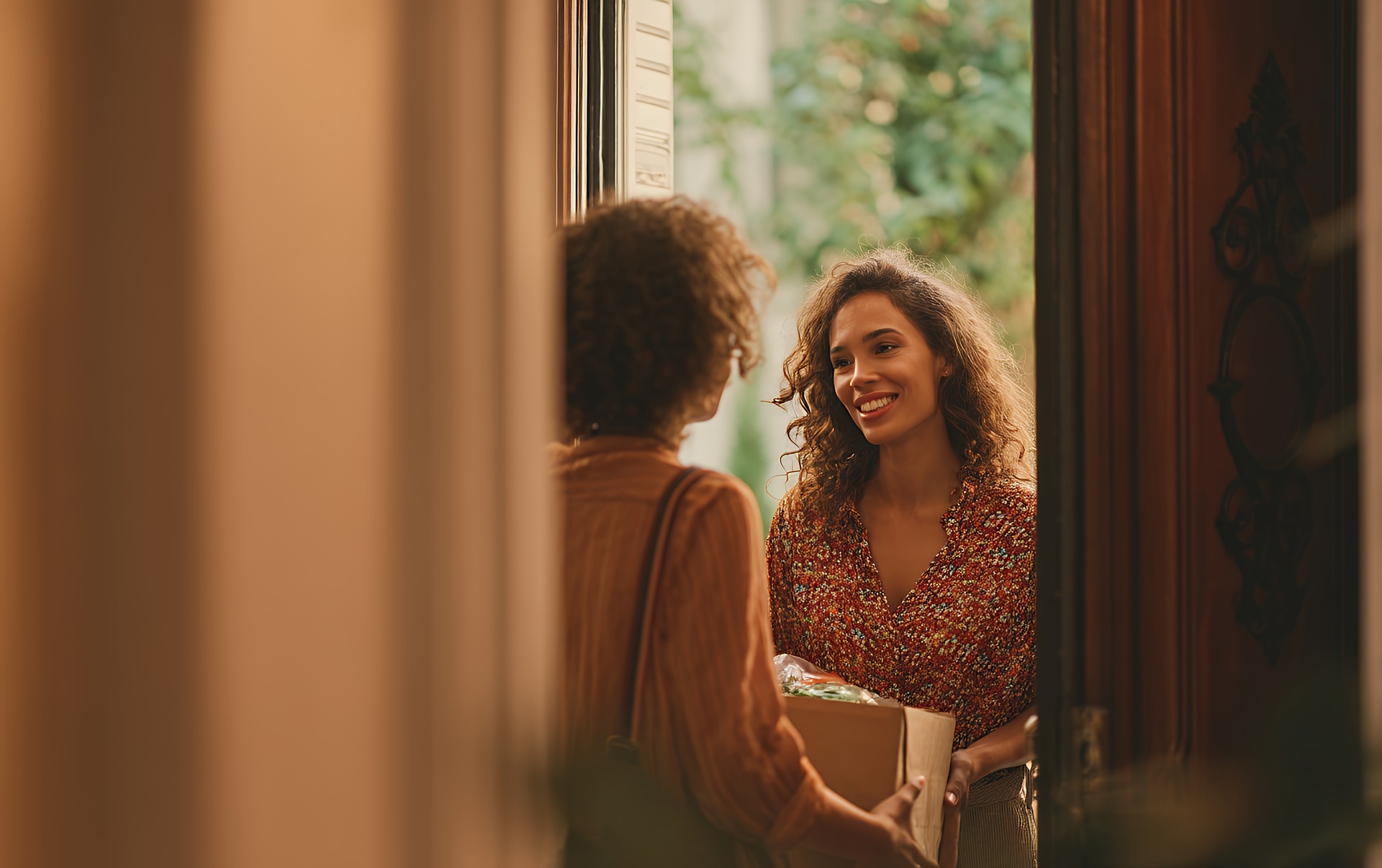
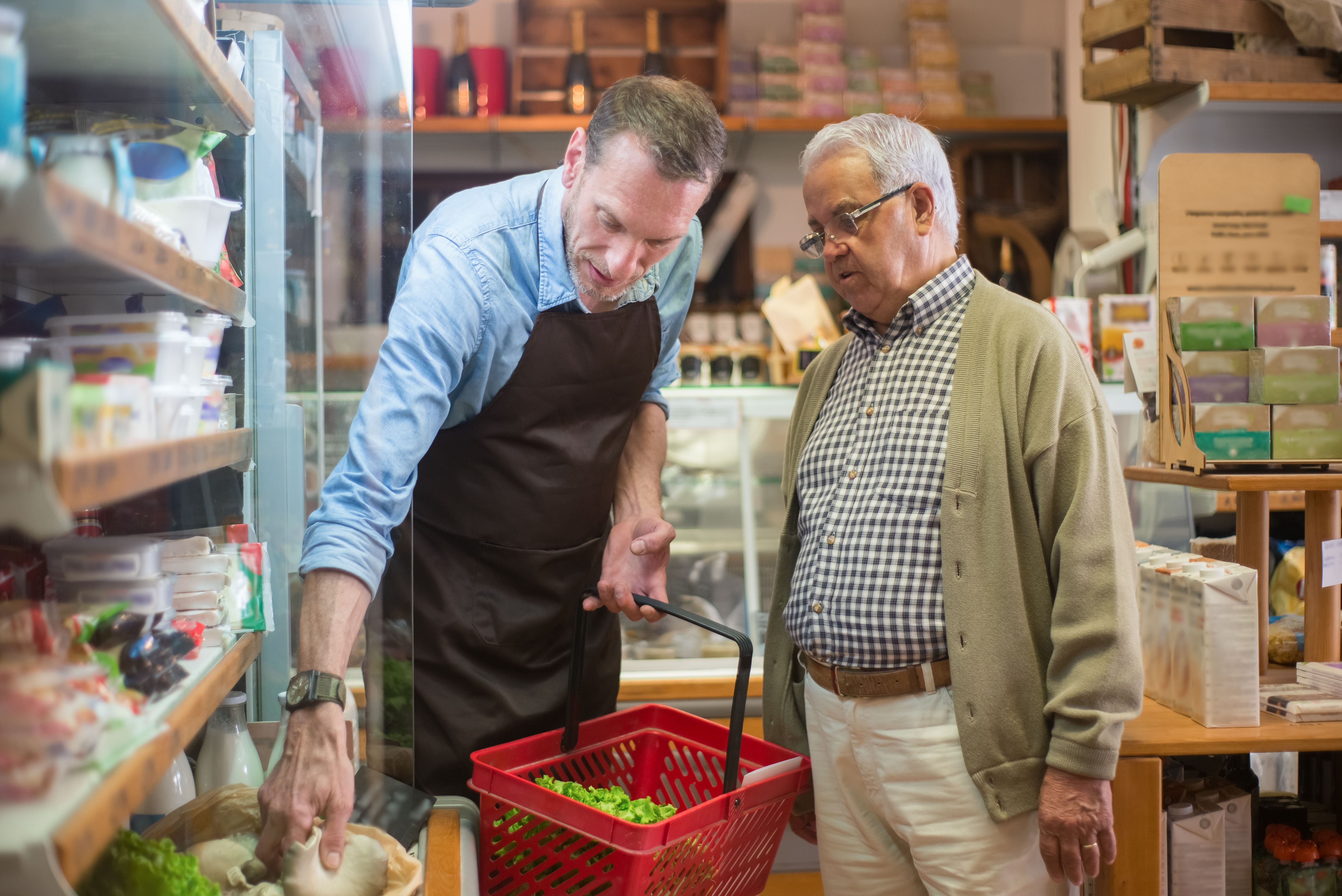
Nothing builds a relationship faster than a small, no-strings favor: bringing in a neighbor's trash bins, sharing extra tomatoes, carrying in groceries for someone older. Generosity is memorable, and it comes back around.
The Underrated Connection Engine: Working for Each Other
Here's the method nobody talks about: one of the most natural ways to connect with neighbors is to exchange help, paid or otherwise.
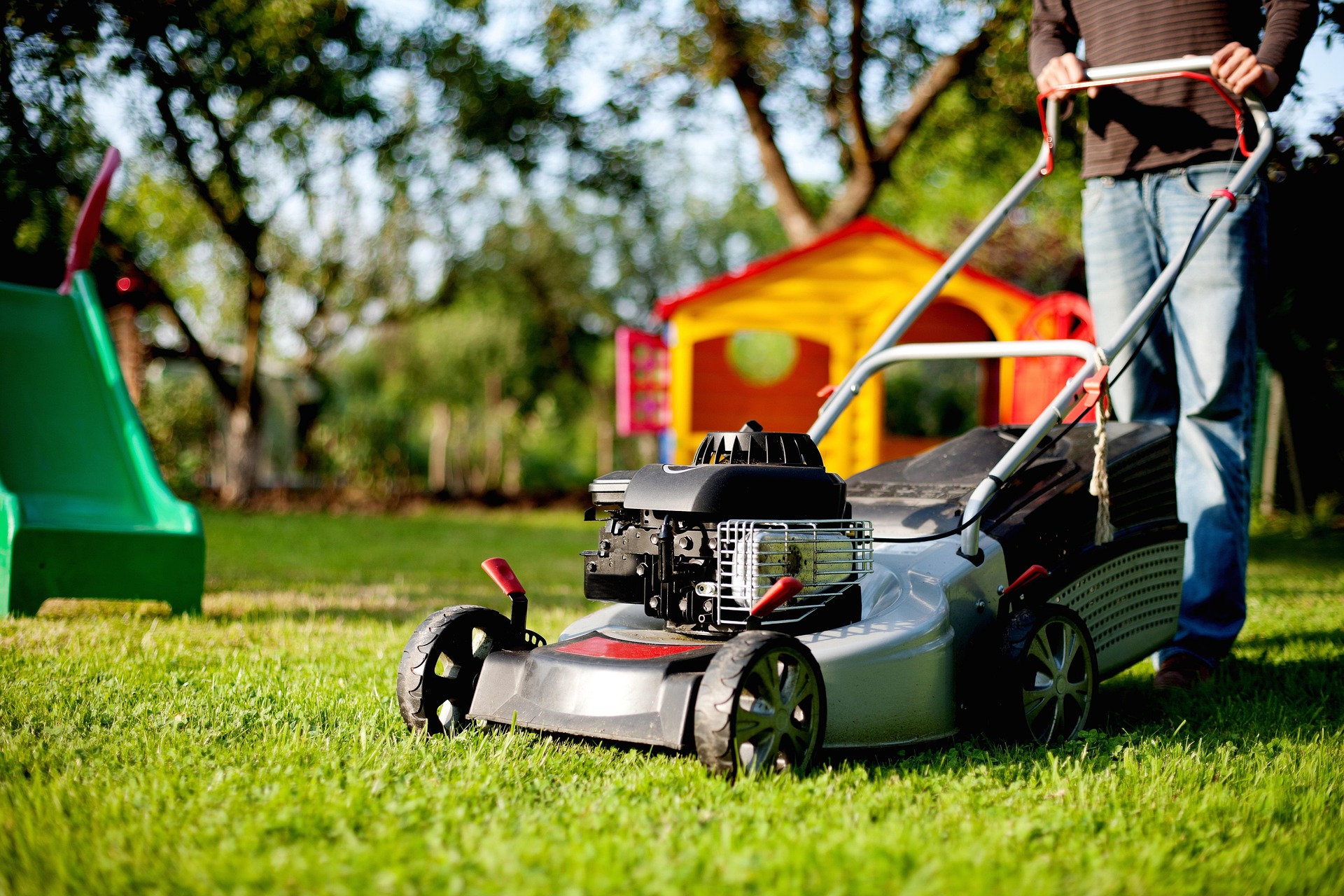
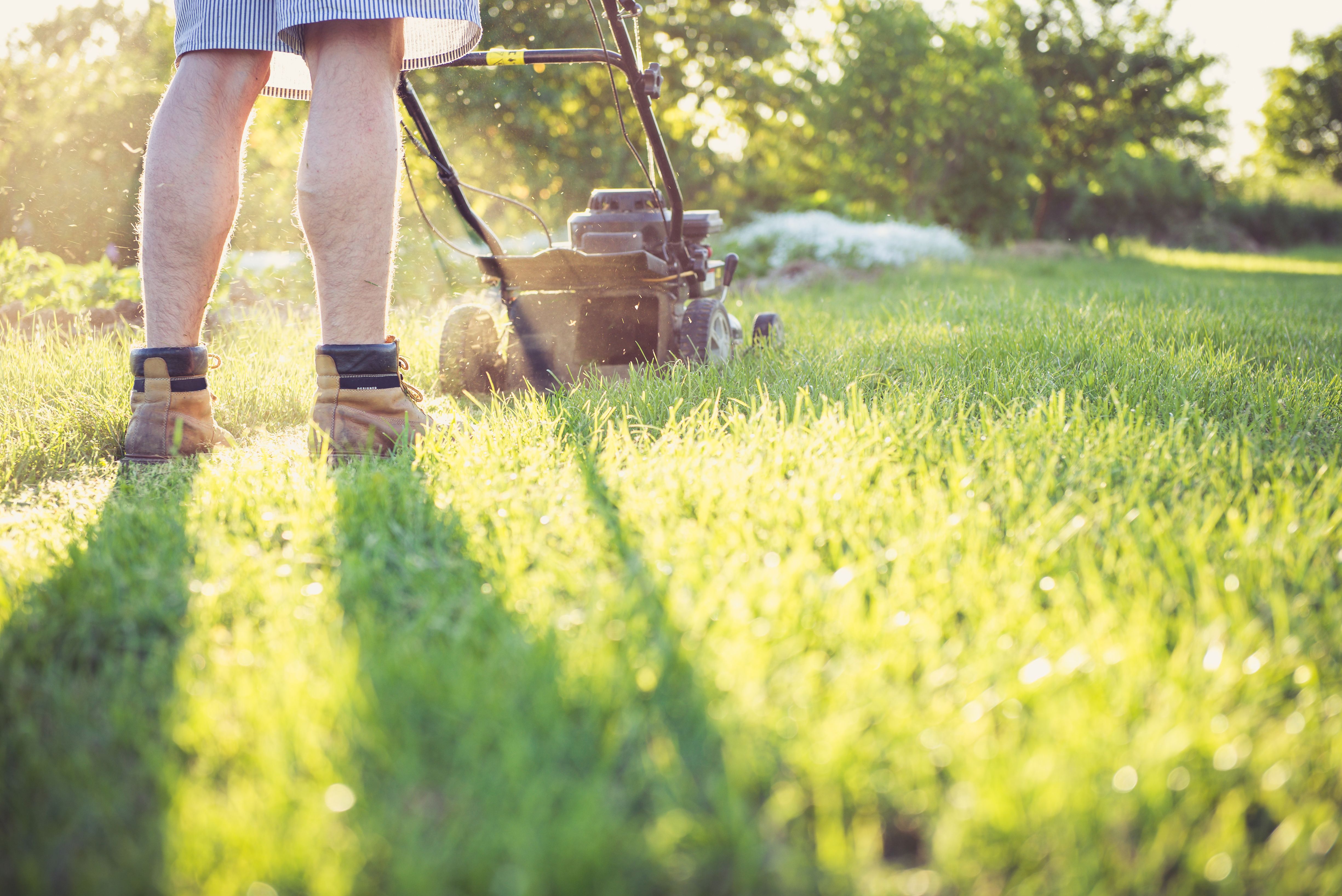
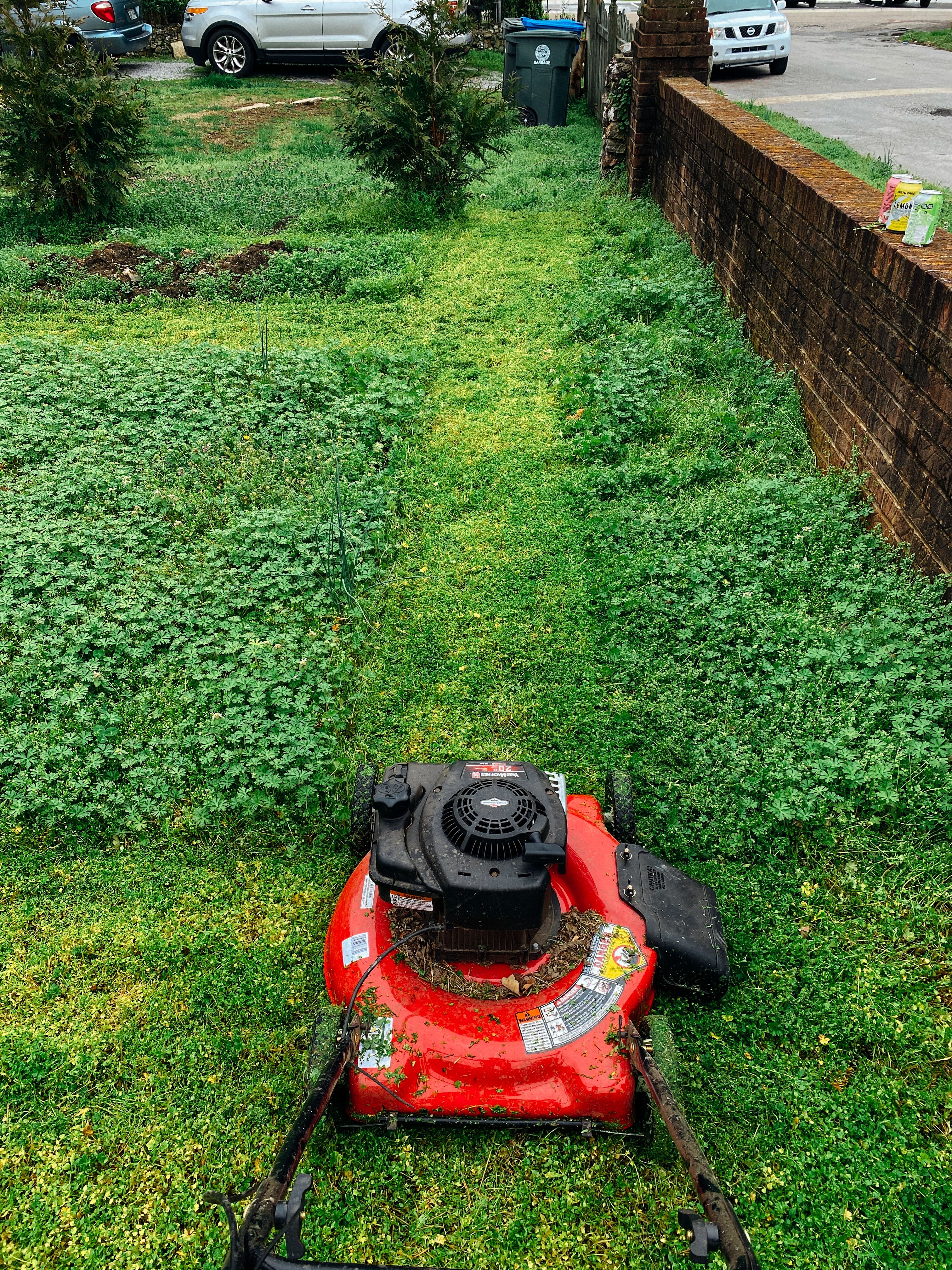
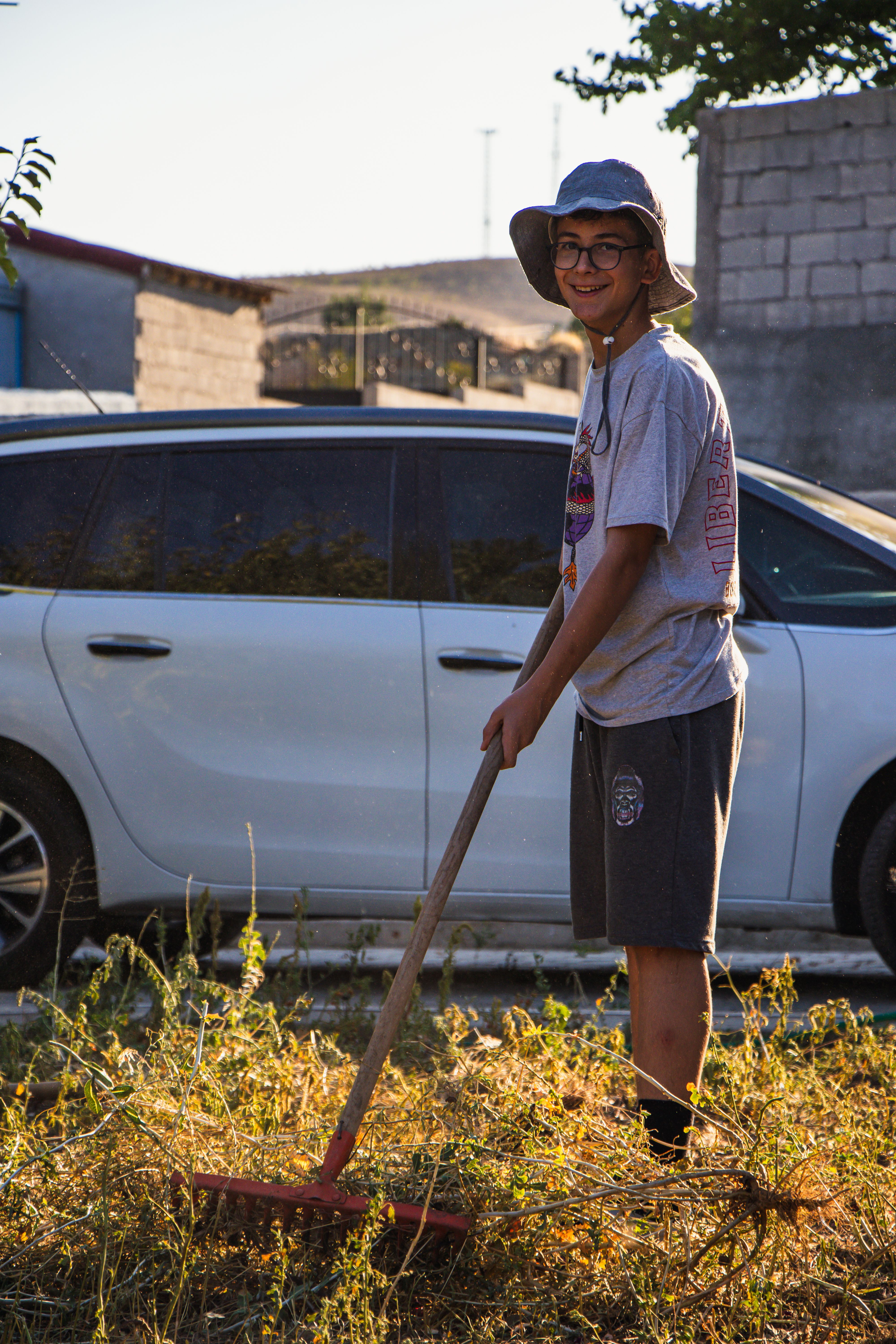
Think about it. When a local student mows your lawn every week, you learn their name, their college plans, their schedule. When you hire the kid from two streets over to fix your Wi-Fi, you've just funded a neighbor's savings account and gained a tech person for life. When an elderly neighbor pays a teen to carry in groceries, both of them end up less isolated.
Every chore exchanged between neighbors is really a connection in disguise:
- Homeowners meet the motivated students growing up around them, and gain reliable help they can text for years.
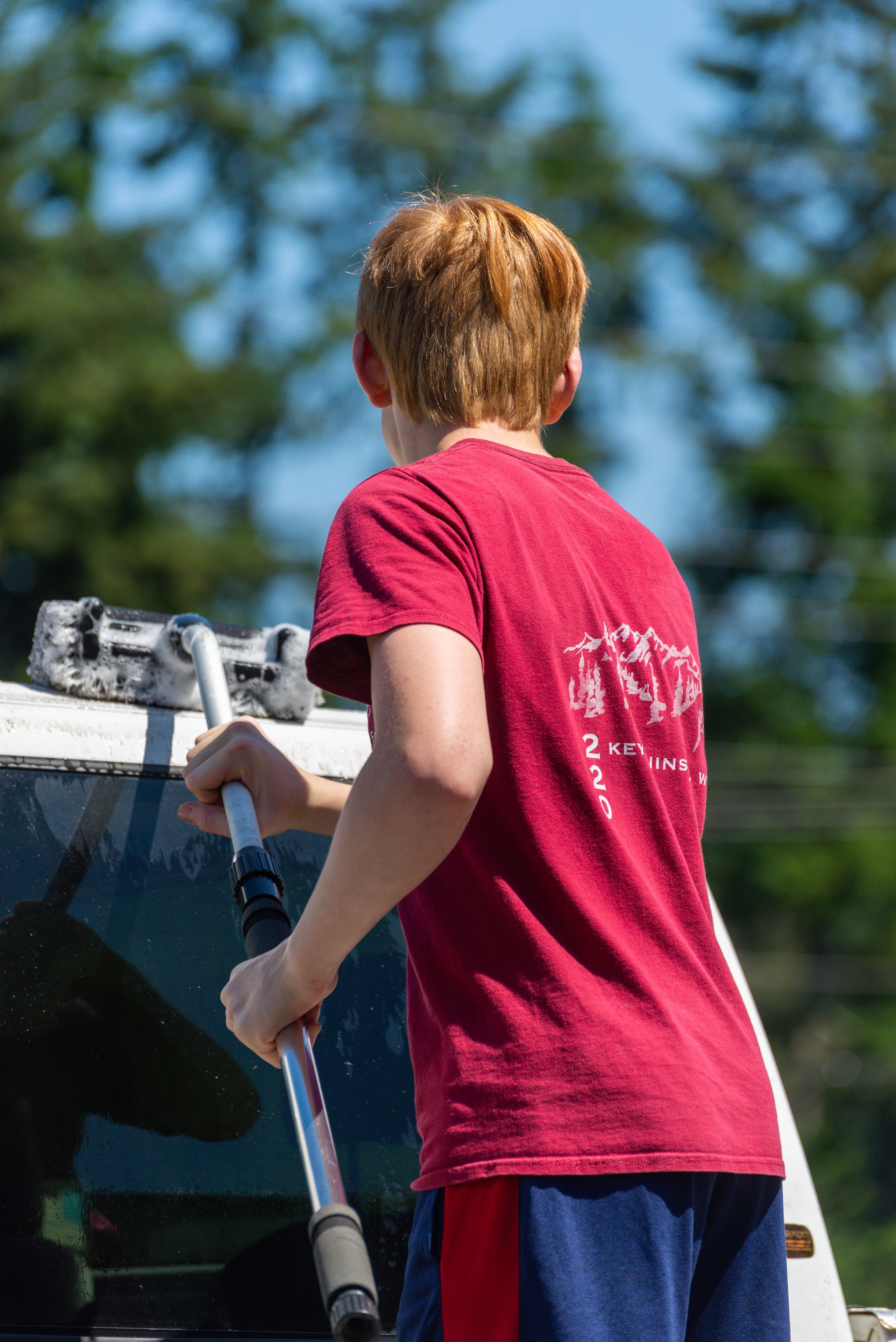
- Students build a network of adults who know them, trust them, and will write references, offer advice, and hire them again.
- Everyone gets a neighborhood where people actually know each other.
This is exactly the loop HelperWebs was built to create. It's a marketplace, yes, neighbors post chores, local high school students apply, and payments are held securely by Stripe until the work is done. But every completed job is also two neighbors who now know each other, with reviews and repeat bookings turning one-off tasks into ongoing relationships. The chores are the excuse; the community is the point.
A 30-Day Neighborhood Connection Plan
If you like structure, here's a simple plan:
- Week 1: Learn three neighbors' names. Join the local group chat. Wave at everyone.
- Week 2: Attend one local event. Post one useful thing in the group.
- Week 3: Do one small favor for a neighbor, no strings attached.
- Week 4: Exchange one job through HelperWebs, post a chore you need done, or (if you're a student) apply to one nearby.
Thirty days from now, your street will feel different. That's how community actually gets built: one small, slightly brave interaction at a time.