You found a local teen to mow the lawn, walk the dog, or fix your Wi-Fi. Now comes the awkward part: what is a fair price? Pay too little and the good ones stop answering. Pay too much and you are overspending for the same work.
Here are the going rates for teen chore work in 2026, what moves a price up or down, and how to handle payment so nobody feels shortchanged.
Fair Rates for Common Chores
These ranges reflect what homeowners actually pay local teens across most of the US:
| Chore | Fair Rate |
|---|---|
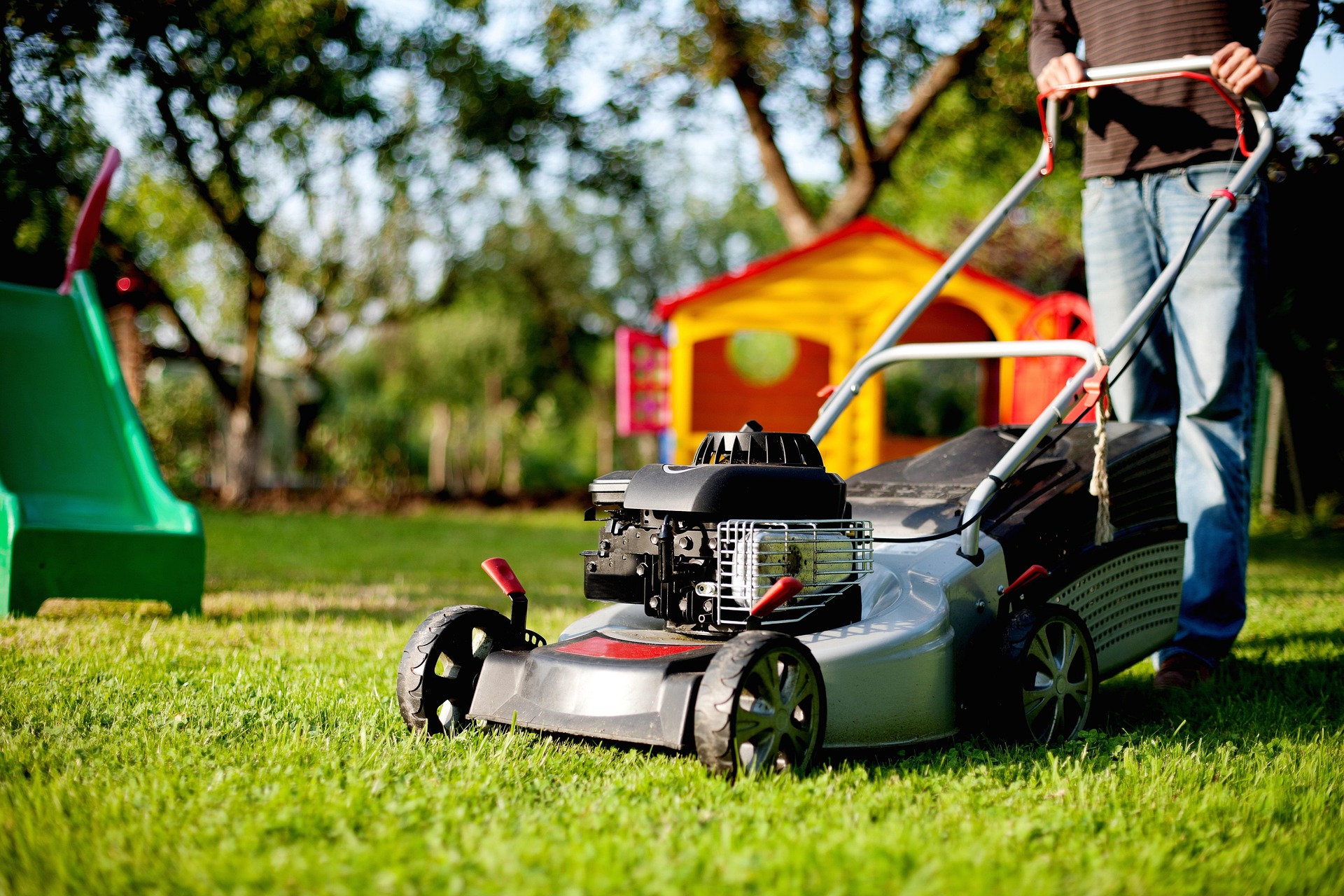
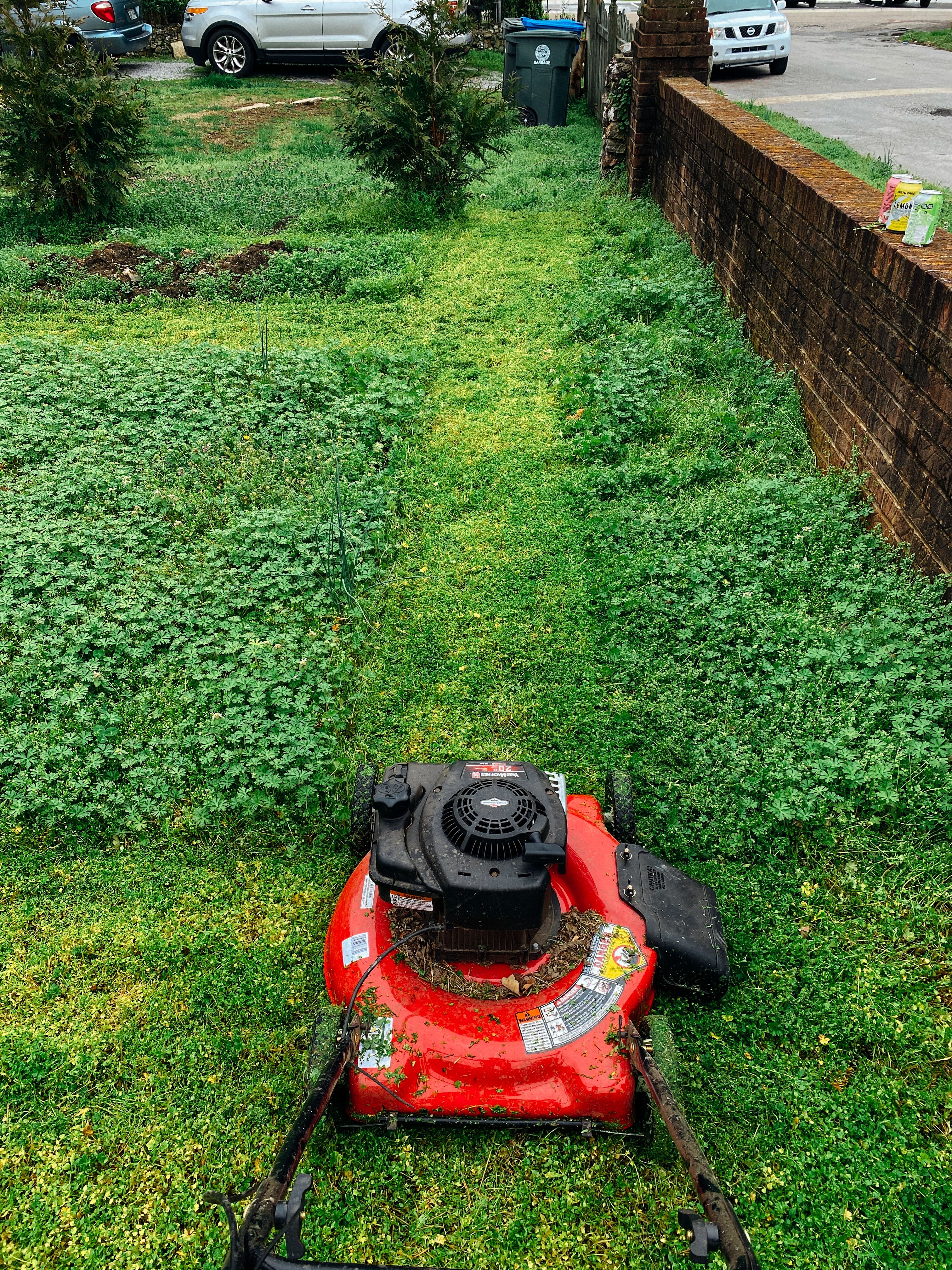
| Lawn mowing (average yard) | $30 to $60 per visit |
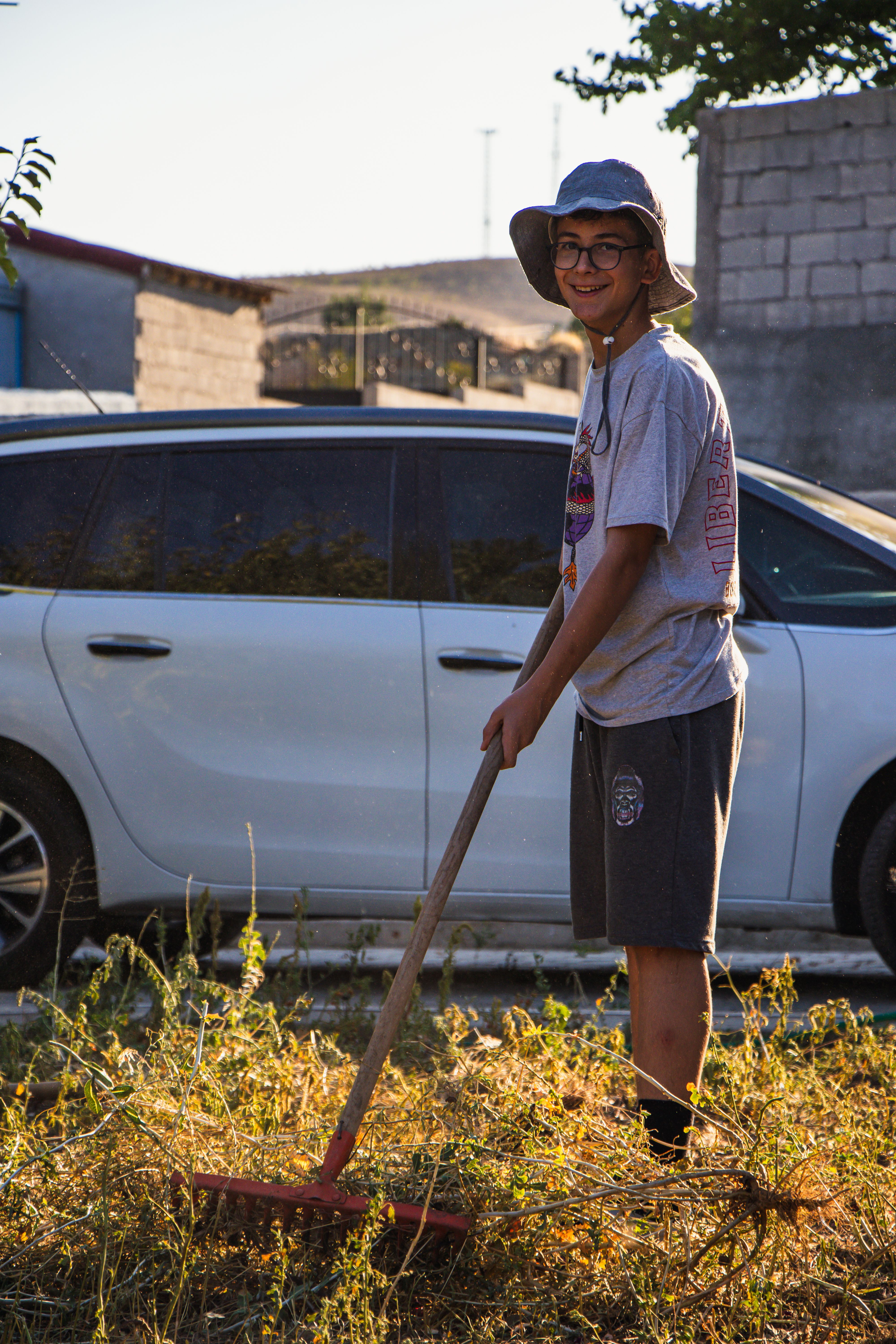
| Leaf raking / yard cleanup | $40 to $100 per job |
| Weeding and garden help | $20 to $40 per session |
| Snow shoveling (driveway and walks) | $25 to $50 per snowfall |
| Dog walking (20 to 30 min) | $15 to $25 per walk |
| Pet sitting | $30 to $60 per day |
| Babysitting | $15 to $25 per hour |
| House sitting / plant watering | $20 to $40 per day |
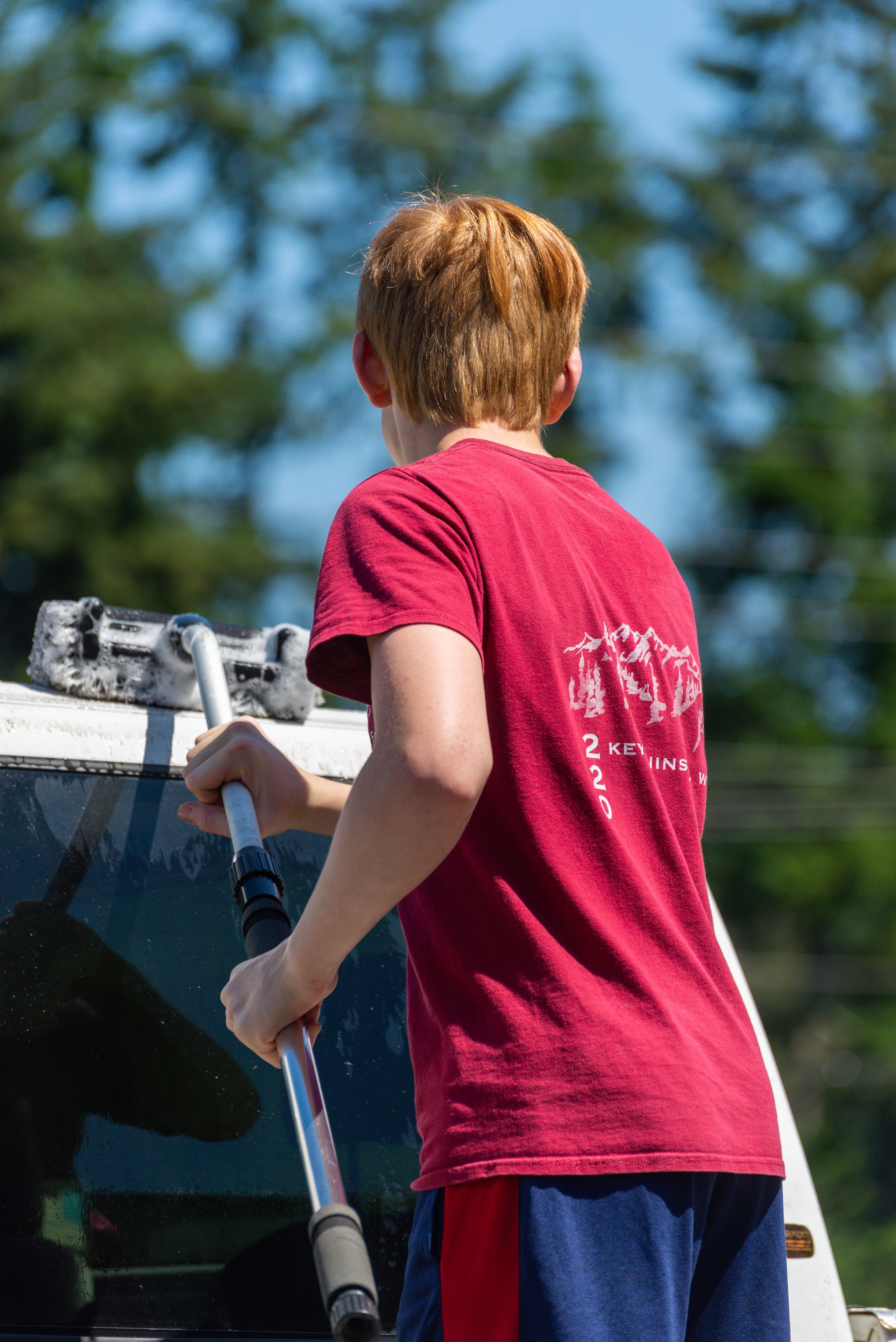
| Car wash and interior | $25 to $50 per car |
| Tech help (phones, Wi-Fi, computers) | $20 to $40 per visit |
| Tutoring | $20 to $40 per hour |
| Moving help / heavy lifting | $20 to $30 per hour |
| Errands (grocery runs, pickups) | $15 to $30 per trip |
Rates run higher in expensive metro areas and lower in small towns, so treat these as starting points rather than laws.
What Moves the Price Up or Down
The same chore can be worth very different amounts depending on the job:
- Size and difficulty. A small flat lawn sits at the bottom of the mowing range; a big sloped corner lot sits at the top.
- Frequency. Weekly recurring work usually costs a bit less per visit than one off jobs, because the worker can plan around it.
- Equipment. If the teen brings their own mower, gas, or supplies, expect to pay more than if they use yours.
- Urgency. "Today if possible" is worth a premium over "sometime this week."
- Skill and trust. A teen with certifications (like Red Cross babysitting) or a wall of five star reviews has earned the top of the range.
Flat Rate or Hourly?
Price by the job for chores like mowing, raking, and car washing. Both sides prefer knowing the total upfront, and it rewards a worker for being efficient rather than slow.
Price by the hour for open ended work like babysitting, moving help, or cleanouts where the time genuinely varies. Agree on the rate and a rough time estimate before starting.
The Mistakes to Avoid
Underpaying. The biggest one. A $15 offer for an hour of mowing gets ignored or accepted by someone who will do $15 worth of work. Fair pay is what gets you the reliable teen who shows up every week and does the edges without being asked.
Vague pricing. "We will work something out" attracts nobody. State the number in your job post and you will get more and better applicants.
Forgetting the platform fee math. If you hire through an app, check what fees are added. On HelperWebs the pricing is simple: you pay the job price, Stripe holds it securely until you confirm the work is done, and HelperWebs keeps a flat 10% service fee from the job price, far below what gig apps charge. No surprises on either side.
Paying cash in advance to a stranger. If you pay ahead at all, do it through a platform that holds the money until the work is confirmed complete. That protects you from no shows and protects the teen from "forgot to pay" situations.
Pricing Three Real Jobs
Abstract ranges only go so far, so here is how the math plays out on three typical jobs:
Job one: a weekly mow on a standard suburban lot. Flat yard, about 40 minutes with your mower. Post it at $40 per visit. That sits mid range, rewards a weekly commitment, and comes out to roughly $50 an hour for the teen, which is exactly the kind of rate that keeps someone reliable all summer.
Job two: a one time backyard cleanup before a party. Raking, bagging leaves, hauling branches, maybe three hours of work. Post it at $90 to $100 flat. It is physical, it is urgent, and it is a one off, so you pay near the top of the yard cleanup range. State "Saturday morning, about 3 hours" in the post so expectations match.
Job three: a 25 minute dog walk every weekday afternoon. Post it at $18 per walk as a recurring job. That is mid range for the walk itself, and the guaranteed five walks a week is worth real money to a student, about $90 a week for work that fits between school and dinner. Recurring work is how you keep a great walker for years.
Notice the pattern: one off, urgent, or heavy work lands at the top of the range; recurring, predictable work can sit comfortably in the middle because the consistency itself has value.
A Quick Sanity Check
If you are stuck on a number, ask yourself two questions: what would a professional charge for this (then go somewhat below it), and what would make a motivated teen eager to come back next week? Where those two answers overlap is your fair price.