You've got a list of jobs that need doing, the lawn is getting long, the garage needs clearing out, the dog needs walking while you're at work. The work isn't the problem. Finding a person you actually trust to do it is.
Post on a classifieds site and you'll wade through spam and strangers from three towns away. Ask around and you're relying on whoever your friends happen to know. There's a better way. This guide walks through how to find people for jobs, big or small, quickly and safely.
Step 1: Get Clear on What You Actually Need
Before you look for anyone, write down three things:
- The task, in plain language. "Mow front and back lawn, edge the walkways, bag the clippings" gets better responses than "yard work."
- When it needs to happen. One-time this weekend? Every Tuesday? Seasonal?
- What it's worth to you. Having a fair number in mind (more on pricing below) makes everything faster.
A clear job description does half your hiring for you, it filters out people who aren't a fit and attracts the ones who are.
Step 2: Look Where Local People Actually Are
The best person for your job usually lives within a mile of you. Here's where to find them, ranked from most to least effective:
Local job marketplaces. Purpose-built platforms let you post a job and receive applications from people nearby. Unlike classifieds, good marketplaces include profiles, reviews, and built-in payment, so you're not hiring a total stranger or chasing checks. HelperWebs, for example, connects homeowners with vetted local high school students for exactly this kind of work.
Neighborhood apps and groups. Nextdoor, local Facebook groups, and community Discord servers are full of neighbors offering and requesting help. The downside: no payment protection, no reviews, and posts get buried within hours.
Schools and community centers. High schools, colleges, and community centers often have job boards or counselors who connect students with local work. Great for recurring help like tutoring or yard maintenance.
Word of mouth. Still powerful. Ask one neighbor who their kids use for dog walking and you'll usually get a name, but you're limited to whoever your circle happens to know.
Flyers and bulletin boards. Coffee shops, libraries, and grocery stores. Low-tech, hit-or-miss, but genuinely local.
Step 3: Write a Job Post That Gets Good Applicants
The difference between "no responses" and "five responses by tonight" is usually the post itself. Include:
- A specific title. "Weekly lawn mowing in Berkeley, $35/visit" beats "Need yard help."
- The details. Size of the yard, whether you have equipment, any quirks (a gate that sticks, a friendly but enormous dog).
- The pay, stated upfront. Vague "negotiable" posts attract hagglers and no-shows. A clear number attracts workers.
- Your rough location. A neighborhood or city is enough, don't post your full address publicly.
Step 4: Know What to Pay
Underpay and the job sits unfilled; overpay and you're throwing money away. Fair local rates for common jobs:
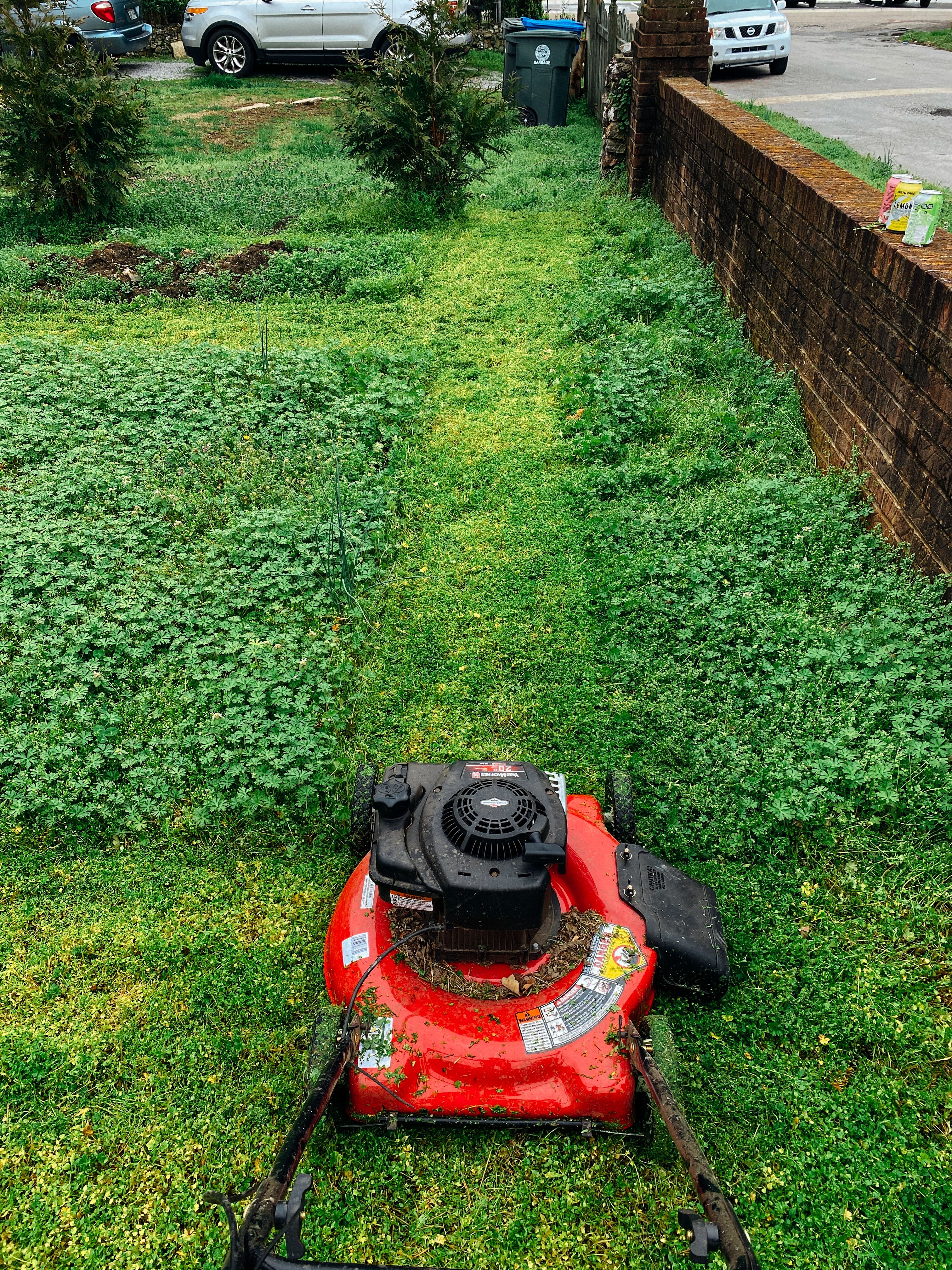
- Lawn mowing: $30 to $60 per visit
- Dog walking: $15 to $25 per walk
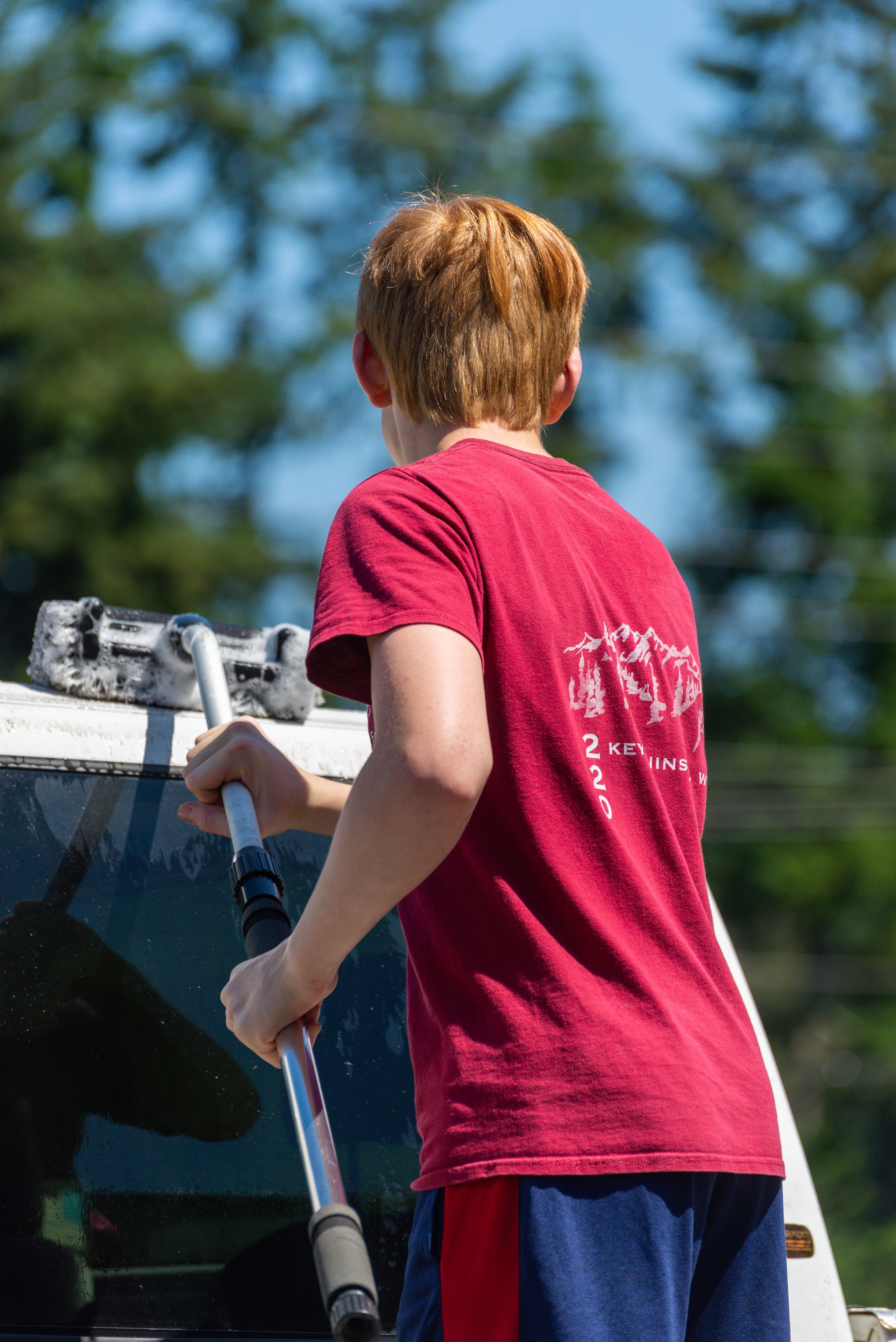
- Car washing: $25 to $50 per car
- Tech help / device setup: $20 to $40 per visit
- Moving help / heavy lifting: $20 to $30 per hour
- Errands: $15 to $30 per trip
Rates vary by area, so treat these as starting points. When in doubt, ask the applicant what they typically charge, most local workers are refreshingly honest about it.
Step 5: Vet People Without Making It Weird
You don't need a background-check bureaucracy for a lawn mowing gig, but a few smart habits go a long way:
- Read their profile and reviews. On marketplaces, past ratings tell you most of what you need to know.
- Message before you commit. A quick chat reveals reliability fast, do they answer promptly and clearly?
- Start with a small job. A one-off task is a low-risk trial run before recurring work.
- Keep first meetings visible. Front yard, driveway, doorstep, public and comfortable for everyone.
- Never pay cash in advance to a stranger. If you pay ahead at all, use a platform that holds the money until the work is done.
Step 6: Protect the Payment
The payment is where informal hiring most often goes wrong, workers who vanish after a deposit, or homeowners who "forget" to pay after the work is done.
The clean solution is escrow-style payment: you pay when you post the job, the money is held securely by a third party, and it's released to the worker only when you confirm the job is complete. If the job falls through before it's done, you get refunded. That's exactly how HelperWebs handles every payment, with Stripe doing the holding, so neither side has to trust the other blindly.
The Shortcut: Post It on HelperWebs
If your job is the kind a capable local student can handle, yard work, pet care, tech help, car washing, errands, light moving, HelperWebs was built for you:
- Post in under two minutes. Title, description, city, price. Done.
- Only local students see it. Jobs are shown by city, so every applicant is genuinely nearby.
- Compare applicants. Read profiles and reviews, message candidates, and pick who you're comfortable with.
- Pay safely. Your payment is held by Stripe and released only when you mark the job complete, cancel before then and you're refunded in full.
You get the job done, a local student gets real work experience, and the money stays in your community. Everybody wins.